
One of the most common concerns we hear from first-time JDM buyers: "How hard is it to drive a right-hand drive vehicle on American roads?" The short answer? It's much easier than you think, and most owners adapt within a few days.
But there's a learning curve, and understanding what to expect makes the transition smoother and safer. This guide covers everything from basic driving adjustments to advanced tips that experienced RHD owners use daily.
The First 30 Minutes: What to Expect
Your brain has spent years building muscle memory for left-hand drive vehicles. When you first sit in an RHD vehicle, everything feels "mirrored" — and that's exactly what it is.
The gear shift is on your left (in manual vehicles). Your left hand will reach for the door instead of the shifter at first. This usually corrects itself within an hour.
Turn signal and wipers are swapped on many JDM vehicles. You'll activate the wipers instead of the signal for the first few drives. This is the most common adjustment period and typically lasts about a week.
Lane positioning feels different. You're sitting on the right side of the vehicle, closer to the center line and farther from the curb. Your natural instinct will be to drift right. Be conscious of this and use the left edge of your lane as your reference point.
Pro tip: Find an empty parking lot and drive around for 20-30 minutes before hitting the road. Practice turns, parking, and lane positioning without traffic pressure.
Passing and Overtaking Safely
This is the one area where RHD on American roads requires genuine attention. Since you're sitting on the right side, your visibility when passing on two-lane roads is limited.
Solutions: - Use a passenger as a spotter. If someone's riding with you, they have a perfect view of oncoming traffic. - Wait for long straight sections. Don't attempt passes on curves or hills where visibility is already limited. - Install a convex mirror. A small convex mirror on your left fender gives you a wider view of oncoming lanes. - Use technology. Some owners install a dash cam with a wide-angle rear view that helps with situational awareness.
The reality: Most driving doesn't involve passing on two-lane roads. In urban areas, highways, and multi-lane roads (where most driving happens), RHD presents zero visibility disadvantages.
Toll Booths, Drive-Throughs, and Parking
These everyday situations are actually some of the most-asked-about aspects of RHD driving.
Toll booths: In Puerto Rico, AutoExpreso handles most tolls electronically, so this is rarely an issue. For manual toll booths, you either lean across, use a reaching tool, or simply pull a bit farther forward and reach from the right side. Many RHD owners keep change in a cup holder on the left.
Drive-throughs: You have two options: go through in reverse (yes, people do this), or simply pull up and walk to the window. Most fast food workers in areas with JDM vehicles are already used to it.
Parking: Pulling into a spot on the driver's side (right side) gives you more space to exit. Parallel parking is actually easier in some ways because you can see the curb better from your seating position.
Gas stations: Pull up with the fuel door facing the pump. Most JDM vehicles have the fuel door on the left side, so approach pumps from the appropriate side.
Making Left Turns Safely
Left turns at intersections are where your limited left-side visibility matters most.
At traffic lights: This is easy — follow the signal, no visibility issue.
At stop signs and uncontrolled intersections: Lean forward or slightly left to improve your view of oncoming traffic from the right. Some owners install a small mirror on the A-pillar for this purpose.
Turning left across traffic: Take your time. If you can't see clearly, wait for a larger gap than you normally would. There's no shame in being cautious — experienced RHD drivers always err on the side of caution.
Right turns are a breeze. You have perfect visibility of the direction you're turning. This is where being on the right side of the vehicle is actually an advantage.
Highway and Expressway Driving
Highway driving in an RHD vehicle is virtually identical to LHD. You're in your lane, traffic flows around you, and your seating position has minimal impact on the experience.
Lane changes: Use your mirrors extensively. Since you're on the right side, your view of the right lane (for right-lane changes) is excellent. For left-lane changes, rely on your left mirror and a quick shoulder check.
Merging: Merging onto highways is straightforward. Your position gives you a great view of the lane you're merging into.
One genuine advantage: On highways, you have a better view of the shoulder and roadside. You'll spot debris, pedestrians, or problems on the right side of the road before an LHD driver would.
Modifications That Help RHD Drivers
Several simple modifications can make RHD driving even more comfortable:
Convex blind-spot mirrors: Stick-on convex mirrors for your left side mirror expand your view of the left lane.
Dash cam with rear view: Modern dash cams with rear cameras give you extra awareness.
Custom mirror adjustments: Some owners angle their interior rearview mirror slightly left to improve left-side visibility.
Mail delivery advantage: If you do any kind of delivery, mail route, or property management, RHD puts you curbside — you can reach mailboxes and make stops without crossing the vehicle. This is why USPS mail trucks are RHD.
Important: Never attempt to modify the steering position. Converting RHD to LHD is extremely expensive, often compromises safety, and negates the authentic character of the vehicle.
Driving a right-hand drive vehicle on American roads is far less challenging than most people imagine. The adjustment period is typically 3-5 days for most drivers, and within a month, it feels completely natural.
The key is confidence, caution during the learning period, and awareness of the few genuine limitations (passing on two-lane roads and left turns at uncontrolled intersections). Everything else is either identical to LHD driving or quickly becomes second nature.
At JDM Direct, every vehicle delivery includes a brief orientation where we walk through RHD driving tips specific to Puerto Rico's roads. We want you to enjoy your JDM vehicle from day one — comfortably and safely.
Ready to experience the RHD life? Browse our inventory at jdmdirectus.com or contact us on WhatsApp at (787) 237-7924.
📚 Related Resources
Stay Updated
Get the latest JDM insights, new arrivals, and exclusive content delivered to your inbox.
Stay Updated on New Arrivals
Get notified when fresh JDM legends arrive in our inventory
We respect your privacy. Unsubscribe anytime.
Latest Posts
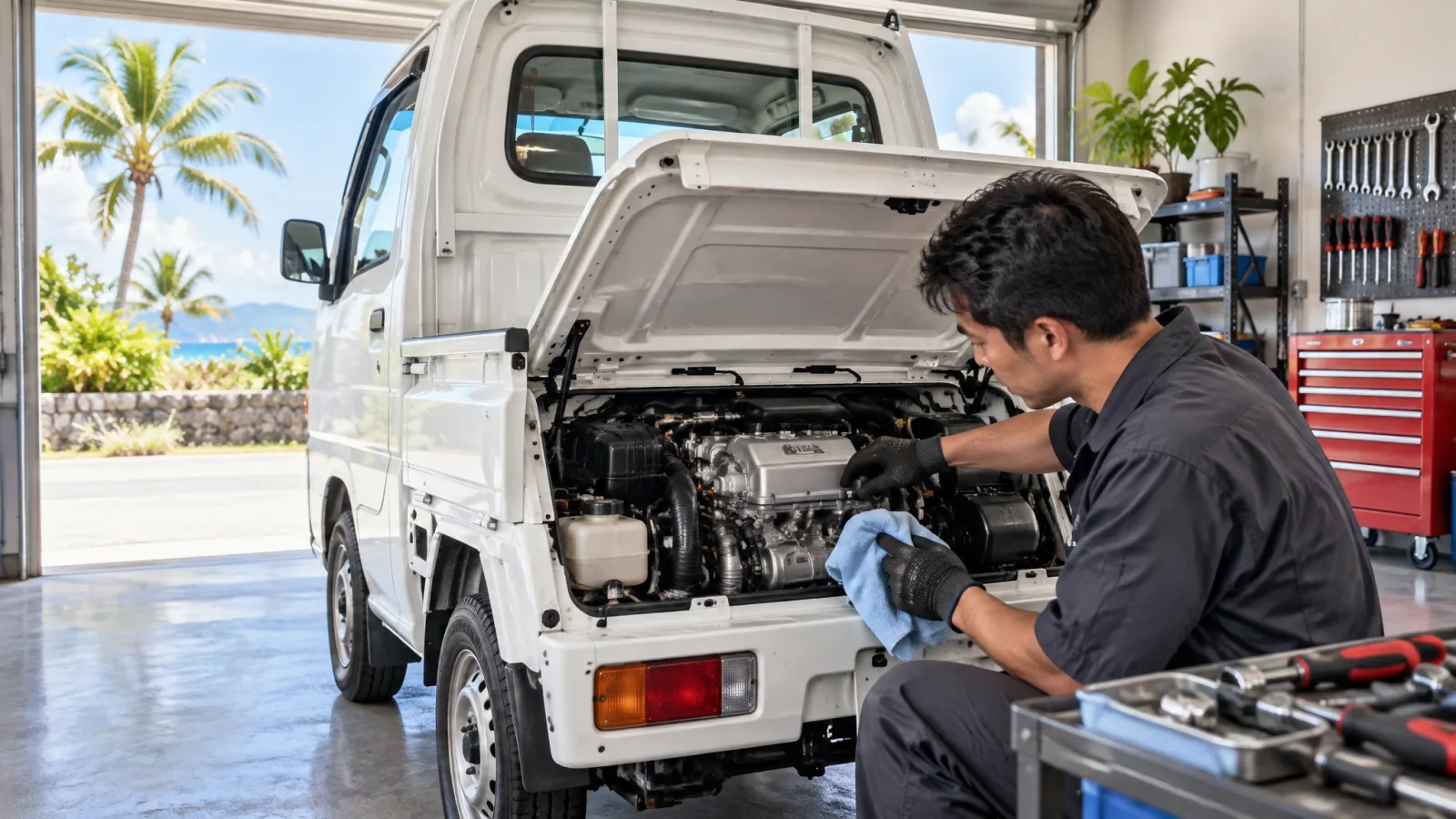
The Monthly JDM Maintenance Checklist for Puerto Rico's Climate
A simple month-by-month maintenance routine built for the heat, humidity and salt air of Puerto Rico. Follow this checklist and your imported kei truck, van or JDM car will stay reliable, rust-free and ready for decades.
La Lista de Mantenimiento Mensual para tu JDM en el Clima de Puerto Rico
Una rutina de mantenimiento mes a mes pensada para el calor, la humedad y el salitre de Puerto Rico. Sigue esta lista y tu kei truck, van o auto JDM importado se mantendrá confiable, sin óxido y listo por décadas.
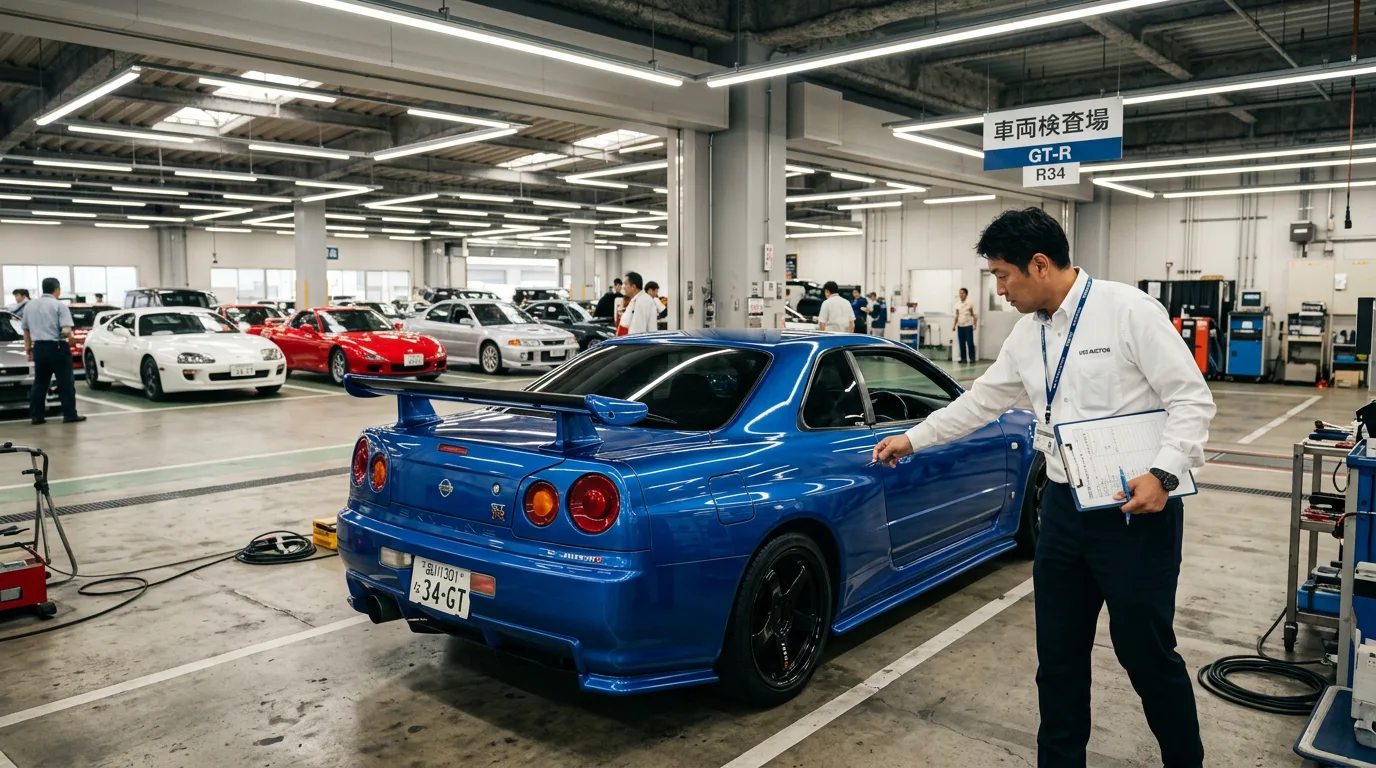
7 Costly Mistakes First-Time JDM Importers Make (and How to Avoid Them)
Importing your first car from Japan should be exciting — not expensive in all the wrong ways. These are the seven mistakes we see first-time buyers make most often, and exactly how to sidestep each one so your dream JDM car arrives in Puerto Rico without nasty surprises.