The Ultimate Guide to Importing JDM Vehicles to Puerto Rico & the US
Everything you need to know about Kei trucks, sports cars, vans, SUVs, the 25-year rule, costs, and the full import process — all in one place.
What Are JDM Vehicles?
JDM stands for "Japanese Domestic Market" — vehicles manufactured exclusively for sale within Japan. Unlike their export counterparts, JDM vehicles often feature unique engines, trim levels, technology, and equipment that were never available outside Japan. This exclusivity is what makes them so desirable to enthusiasts and collectors worldwide.
Japan's automotive industry is uniquely diverse. From the ultra-compact Kei class — tiny trucks, vans, and cars limited to 660cc engines — to the legendary performance machines like the Nissan Skyline GT-R and Toyota Supra, the JDM catalog spans every possible vehicle type and use case.
What makes Japanese vehicles special? Japan has one of the strictest vehicle inspection systems in the world, called "Shaken" (車検). Every two years, vehicles must pass a comprehensive safety and emissions inspection. This means Japanese owners maintain their vehicles meticulously, and many low-mileage, well-kept vehicles are sold at auction simply because the Shaken renewal cost exceeds the car's value in Japan — but those same vehicles have decades of life left in them.
At JDM Direct, we specialize in sourcing these vehicles from Japanese auctions and dealers, inspecting them thoroughly, and importing them to Puerto Rico and the continental United States. Whether you need a $5,000 work truck for your property or a $100,000 collector's Skyline GT-R, we handle every step of the process.
Kei Trucks & Mini Vehicles
Japan's most versatile and affordable vehicle class.
After World War II, Japan needed affordable personal transportation for a population rebuilding from devastation. The government created the "Kei" (軽) vehicle class in 1949 — ultra-compact vehicles with strict size and engine limits that received tax benefits and didn't require a standard parking space permit. This spawned an entire industry of ingenious small vehicles that would become Japan's everyday workhorses.
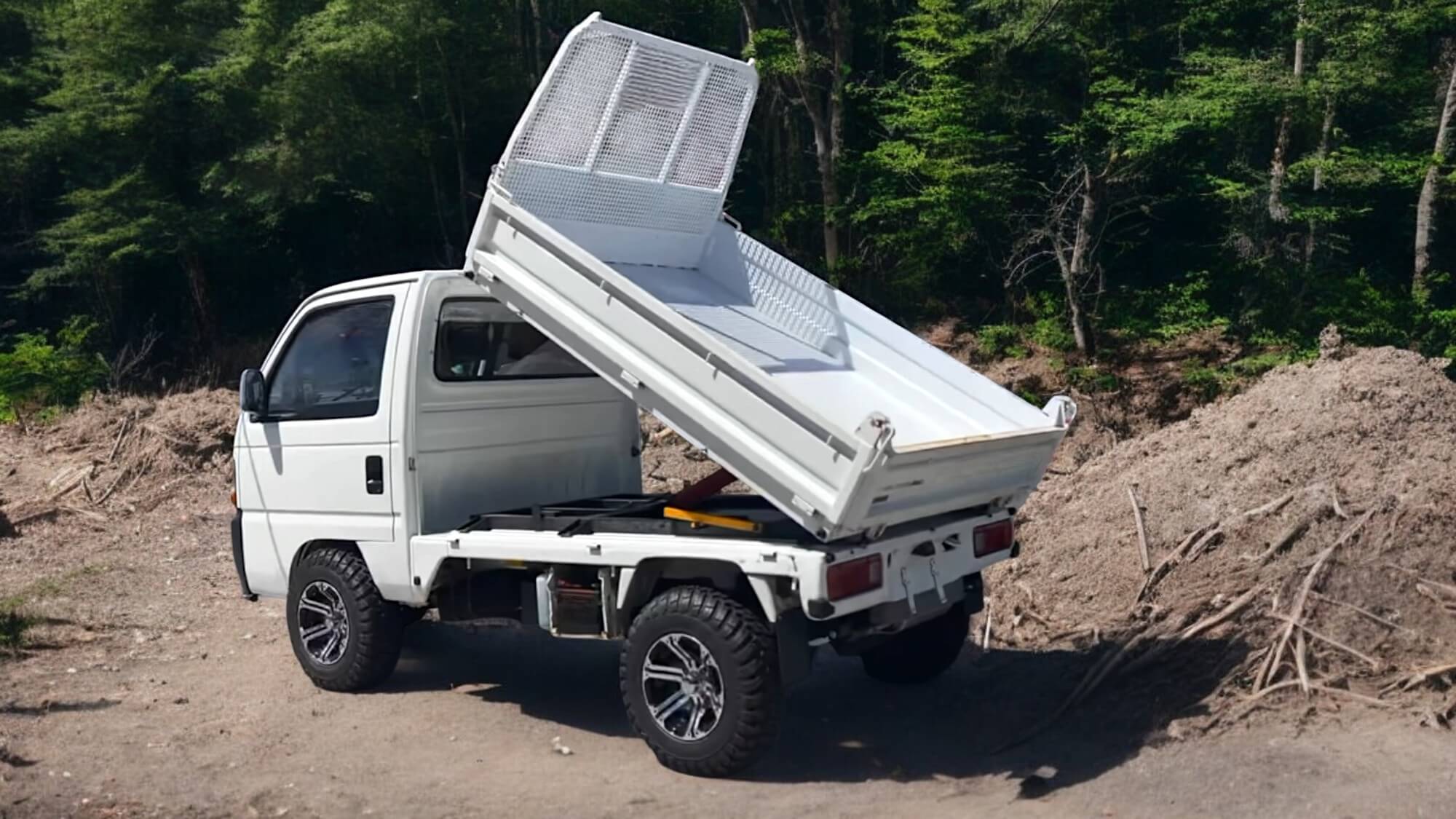
Modern Kei vehicles (post-1990) are limited to 660cc engines, 3.4 meters in length, and 1.48 meters in width. But don't let the small size fool you — these machines are engineering marvels. Many feature turbocharged engines producing 64 horsepower (Japan's gentleman's agreement limit for Kei cars), 4WD systems, air conditioning, power steering, and even automatic transmissions. They're built to work hard in tight spaces.
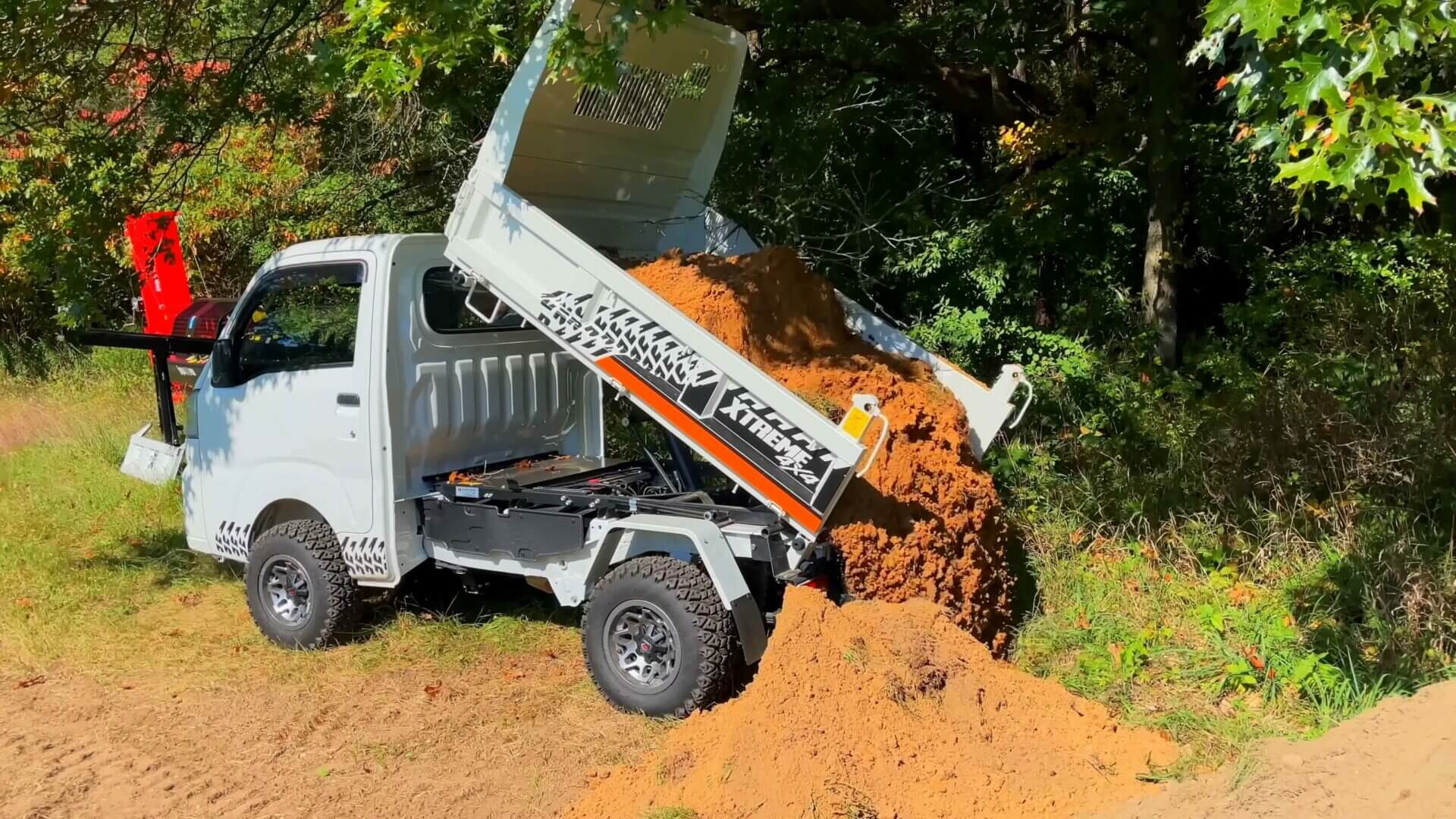
Kei trucks are built for hard work — compact and capable
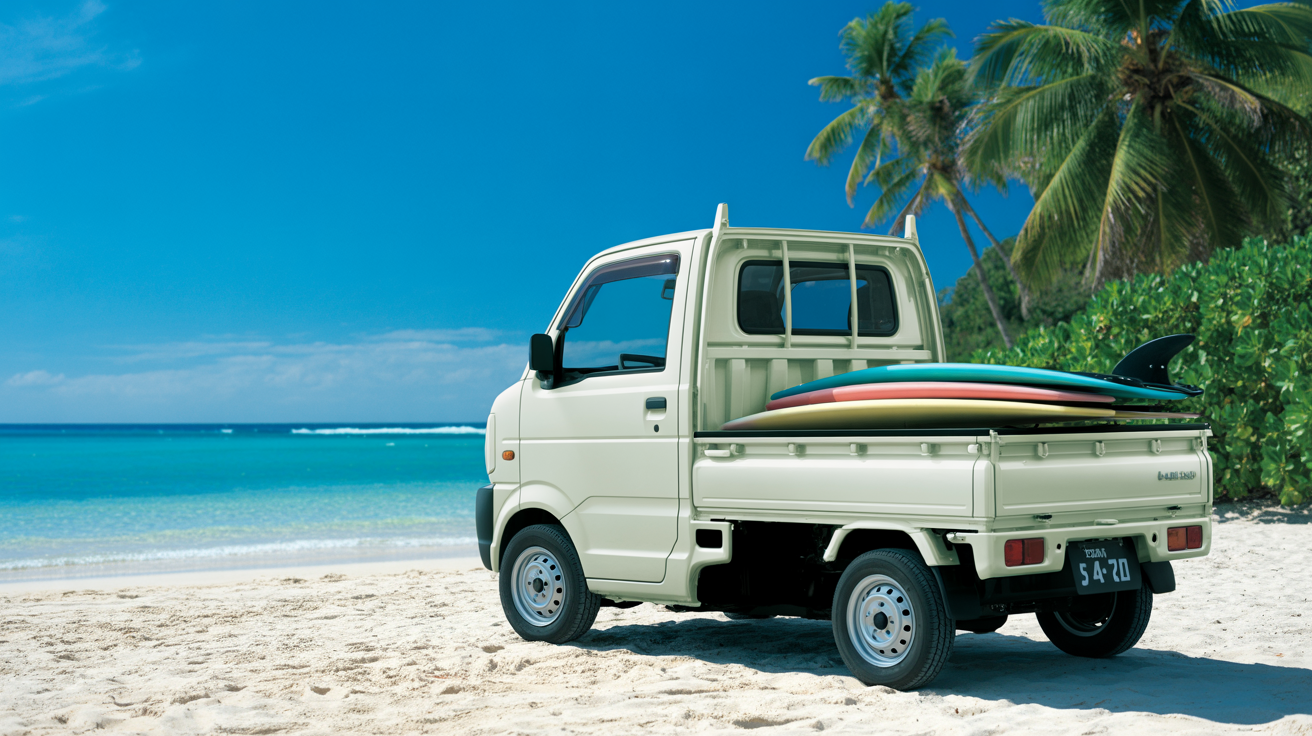
Compact and nimble — ideal for island life in Puerto Rico
Why Kei Trucks Are Taking Over
Kei trucks are exploding in popularity across the United States, especially in rural areas, ranches, and island communities like Puerto Rico. Here's why:
Impressive Payload
Most Kei trucks haul 350–500 kg (770–1,100 lbs) with fold-down sides and rear gates for easy loading. That's more than most ATVs and side-by-sides.
Incredible Fuel Economy
38–52 MPG. A full tank costs under $20 and lasts for days. Diesel-like economy with gasoline simplicity.
Real 4WD Capability
Most models offer selectable 4WD with low range. They tackle mud, hills, and unpaved roads that would stop a regular pickup.
Dead Simple Maintenance
660cc engines are mechanically simple. Oil changes, spark plugs, and brake pads are cheap and easy. Any competent mechanic can work on them.
Goes Where Trucks Can't
At just 10 feet long and 5 feet wide, Kei trucks fit on narrow trails, tight parking spots, and crowded job sites where full-size trucks can't.
Street Legal (25+ Years)
Under the 25-year rule, Kei trucks from 2001 and earlier are fully street-legal on US roads. Register, insure, and drive them anywhere.
Popular Kei Truck Models
Several manufacturers have produced Kei trucks over the decades. Each has its strengths:
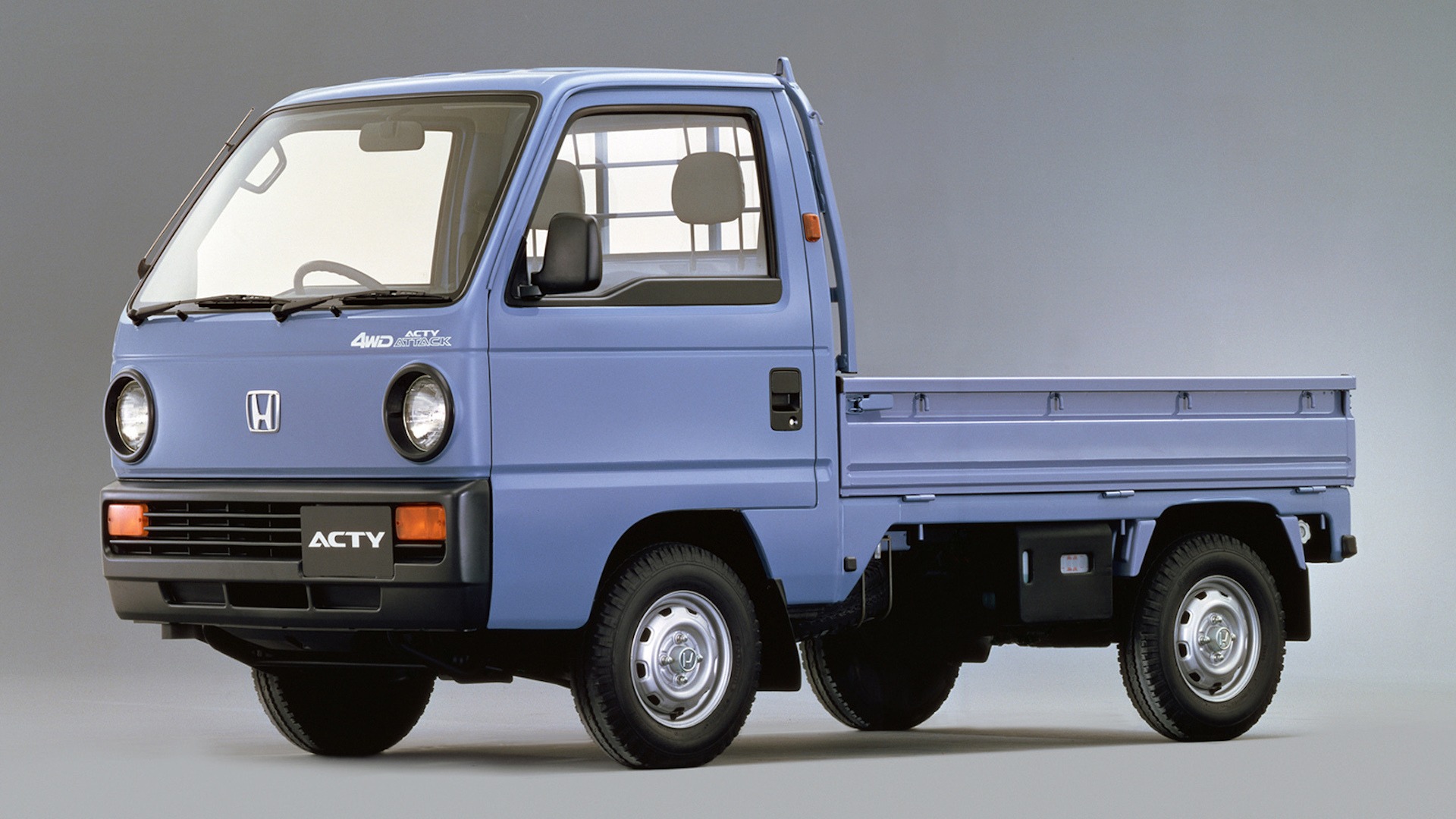 Most Reliable
Honda Acty
The Honda Acty is renowned for its bulletproof E07A engine, mid-mounted for excellent weight distribution. The Acty's cab-over design maximizes bed space while keeping the overall footprint tiny. Known for exceptionally smooth power delivery and Honda's legendary reliability. Parts are readily available and maintenance is straightforward. The 4WD models with real-time AWD are excellent for off-road work. Production ended in 2021, making these increasingly collectible.
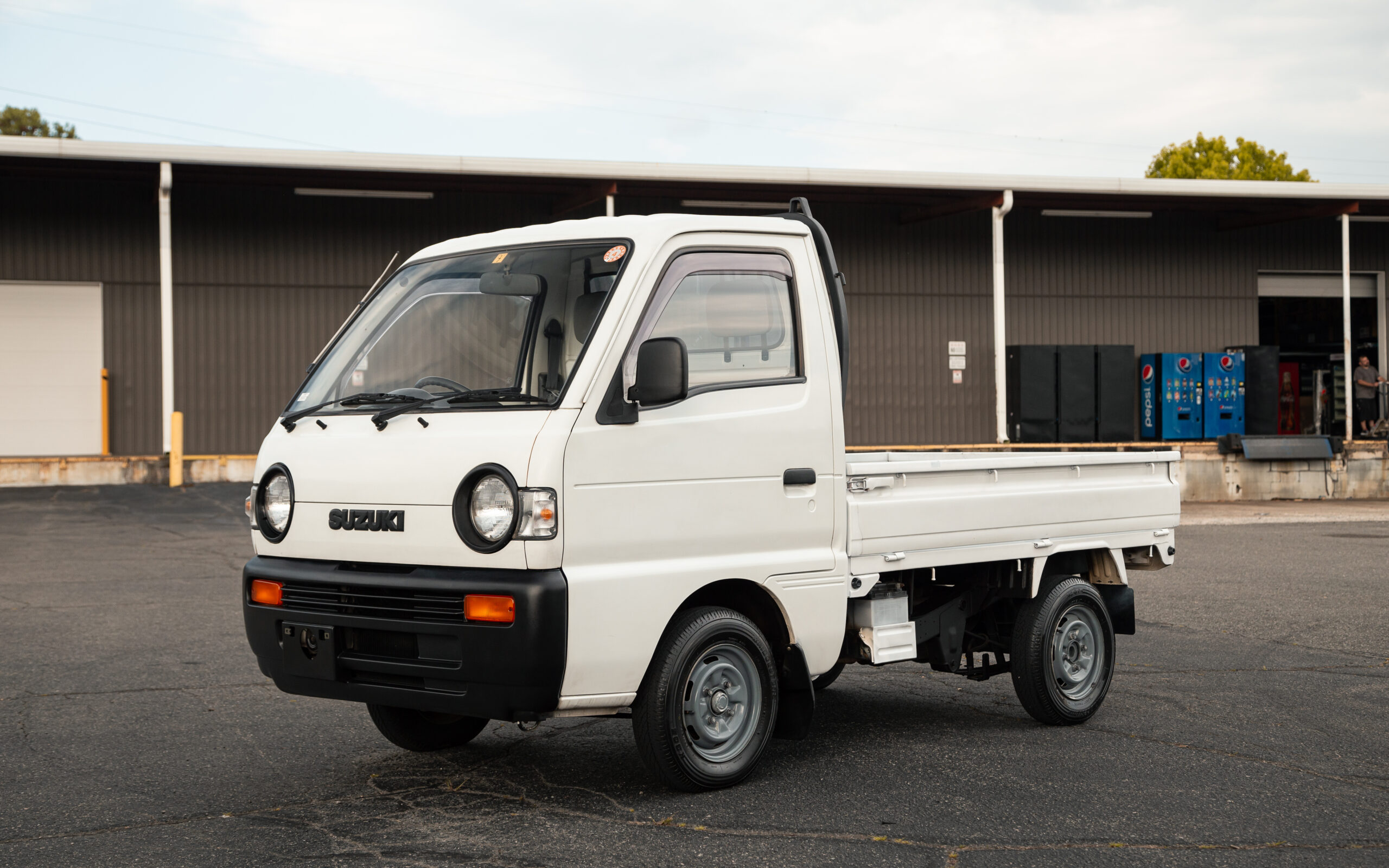 Best Seller
Suzuki Carry
The Suzuki Carry is the best-selling Kei truck of all time with the largest parts network worldwide. Known for its robust construction and excellent aftermarket support. The F6A and K6A engines are simple, powerful, and easy to work on. Many components are shared with the Suzuki Jimny, making parts sourcing a breeze. Available in both truck and van configurations. Turbo models produce the full 64hp and are surprisingly quick.
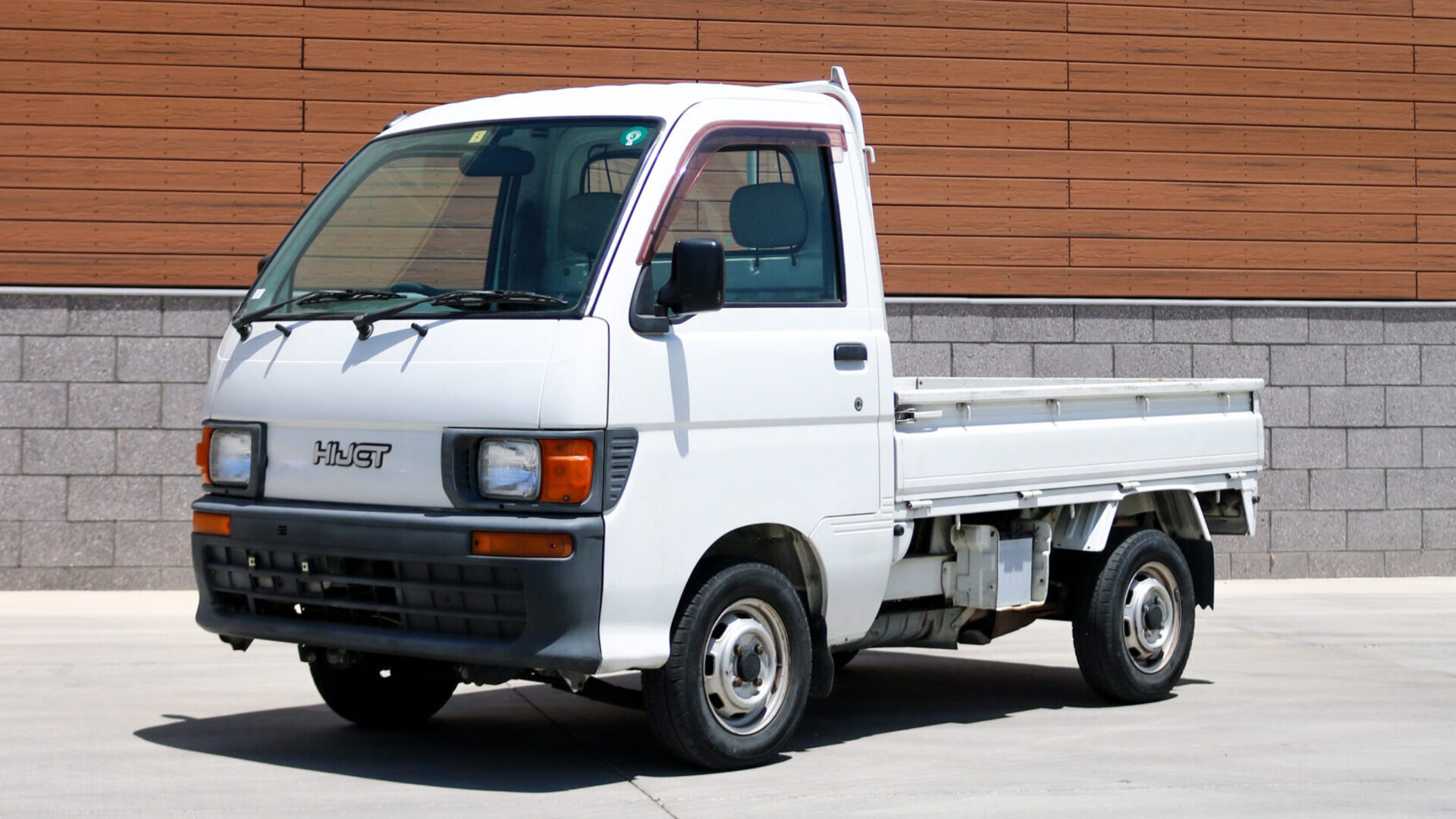 Toyota Quality
Daihatsu Hijet
Owned by Toyota since 2016, the Daihatsu Hijet benefits from Toyota's quality standards and parts network. The Hijet is known for its spacious cab, excellent visibility, and comfortable ride for a Kei truck. Available in standard, jumbo cab, and dump truck configurations. The Climber 4WD models with diff-lock are particularly capable off-road. Daihatsu's EF-series engines are known for their low-end torque and fuel efficiency.
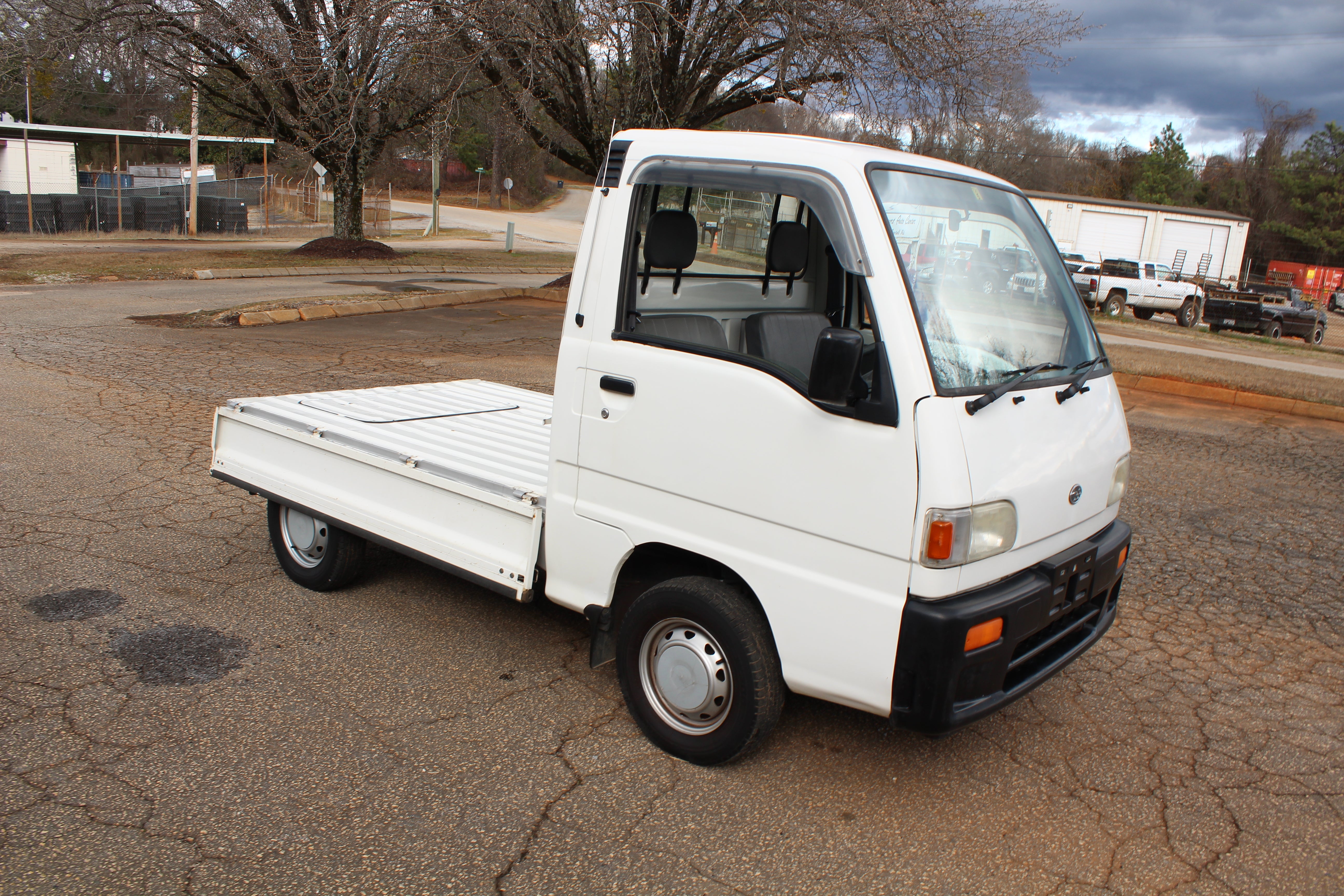 Smoothest Ride
Subaru Sambar
The Subaru Sambar is unique among Kei trucks — it's the only one with a rear-mounted engine, giving it exceptional traction and a quieter cab. Subaru's famous flat-four (boxer) engine design provides a lower center of gravity, making the Sambar remarkably stable in turns. The supercharged models are the most powerful Kei trucks ever made. Independent four-wheel suspension gives it the smoothest ride of any mini truck. Production of the Subaru-made Sambar ended in 2012, making these increasingly sought after.
Kei Truck Specifications at a Glance
| Spec | Details |
|---|---|
| Engine | 660cc 3-cylinder (some turbo/supercharged) |
| Power | 40–64 HP (turbo models at the 64hp limit) |
| Length | 3.2–3.4 meters (10'5" – 11'2") |
| Width | 1.4–1.48 meters (4'6" – 4'10") |
| Payload Capacity | 350–500 kg (770–1,100 lbs) |
| Bed Size | ~2m x 1.4m (6'6" x 4'7") |
| Fuel Economy | 16–22 km/L (38–52 MPG) |
| Drivetrain | 2WD or 4WD (part-time or full-time) |
| Transmission | 5-speed manual or 3/4-speed automatic |
| Curb Weight | 700–800 kg (1,540–1,760 lbs) |
| Top Speed | 100–120 km/h (60–75 mph) |
Common Uses for Kei Trucks
Ask About Kei Trucks
We'll find the perfect vehicle for your needs and budget.
JDM Sports Cars
Legends born on Japanese roads, now available worldwide.
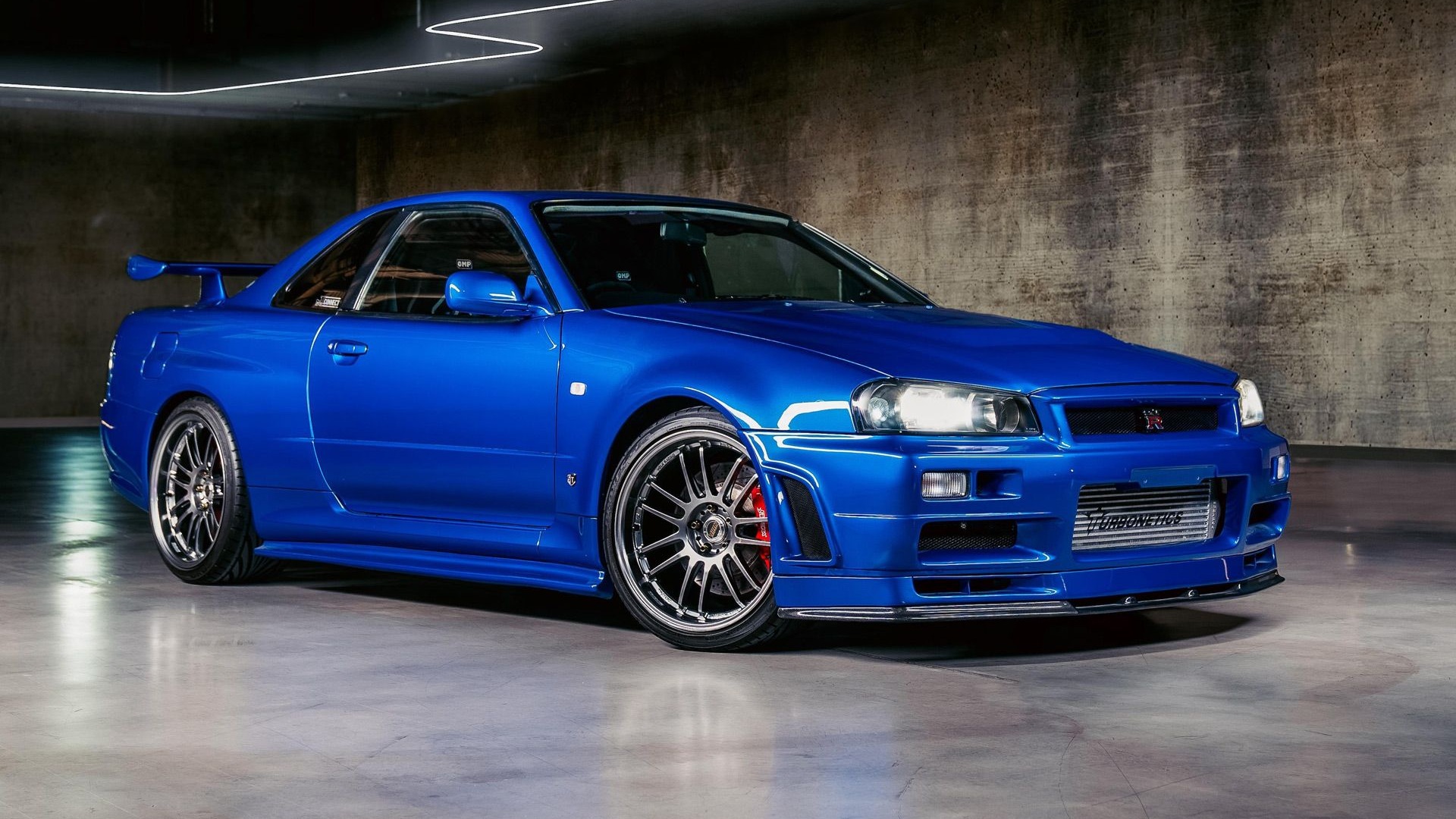
The 1990s were Japan's golden era of automotive performance. Freed from the bubble economy's excess spending and driven by fierce manufacturer rivalry, Japanese automakers produced some of the greatest sports cars in history. These vehicles combined cutting-edge technology — twin-turbo engines, advanced all-wheel-drive systems, active aerodynamics — with the precision and reliability that Japanese manufacturing is famous for.
Many of these vehicles were never officially exported. The Nissan Skyline GT-R, for example, was a Japan-only model until the R35 generation. The Toyota Supra's Japanese-spec version had different tuning than US models. This exclusivity, combined with appearances in video games (Gran Turismo, Initial D) and movies (Fast & Furious), has made JDM sports cars some of the most sought-after vehicles on the planet.
The Icons
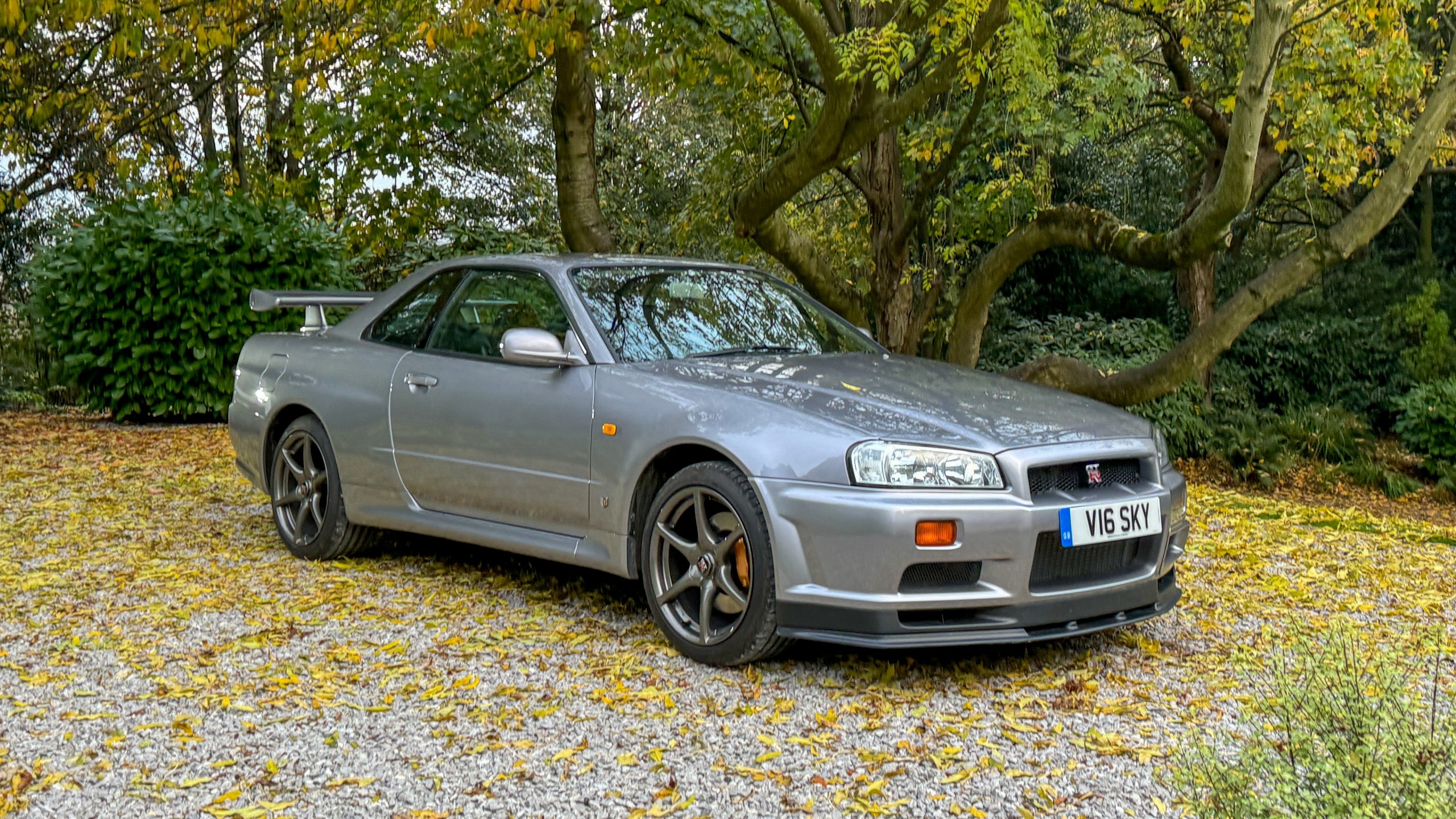 The Holy Grail
Nissan Skyline GT-R (R32/R33/R34)
The "Godzilla." The Skyline GT-R dominated motorsport so thoroughly that it was banned from racing. The RB26DETT engine is one of the most tunable powerplants ever made — stock at 280hp but capable of 1,000+ with modifications. The ATTESA E-TS AWD system uses an advanced torque-split computer for unmatched grip. The R34 is the most coveted, with clean examples commanding $150,000+. R32 and R33 models offer the same DNA at more accessible price points.
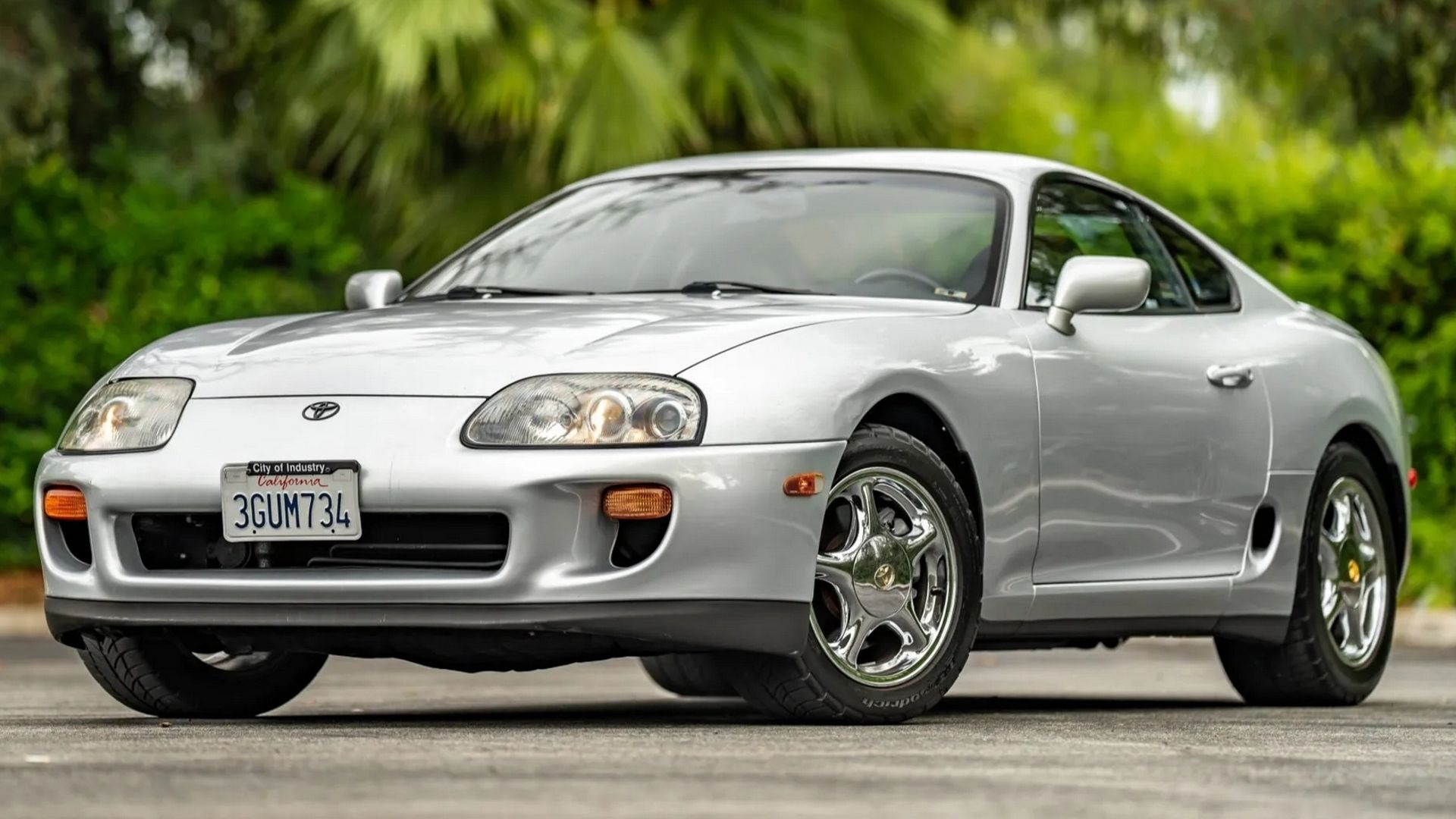 Bulletproof Engine
Toyota Supra MK4 (A80)
The 2JZ-GTE engine is arguably the most famous tuning engine in automotive history. Its cast-iron block can handle 800+ horsepower on stock internals — a feat few engines can match. The Supra's combination of grand touring comfort and explosive performance made it a legend. JDM-spec models came with slightly different tuning and equipment compared to US exports. The twin-turbo models are the collectors' choice, but naturally-aspirated 2JZ-GE versions offer a more affordable entry point.
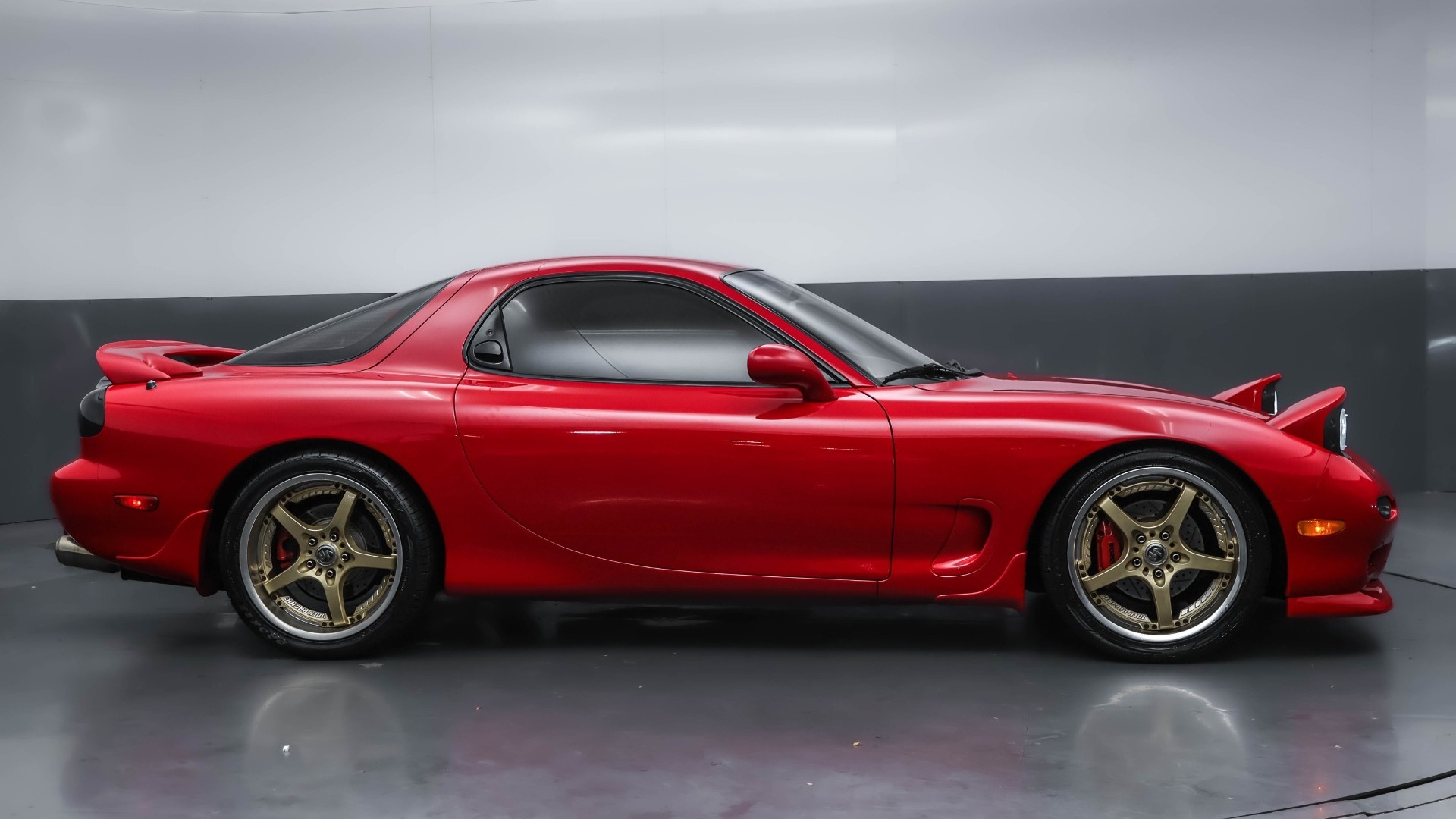 Design Masterpiece
Mazda RX-7 FD3S
Widely considered one of the most beautiful sports cars ever designed. The RX-7 FD's sequential twin-turbo rotary engine revs to 8,000+ RPM with a smoothness that piston engines can't match. At just 1,250 kg (2,756 lbs), the FD is a driver's car in the purest sense — telepathic steering, perfect weight distribution, and a visceral driving experience. The rotary engine requires specific maintenance knowledge, but rewards owners with an unmatched driving sensation.
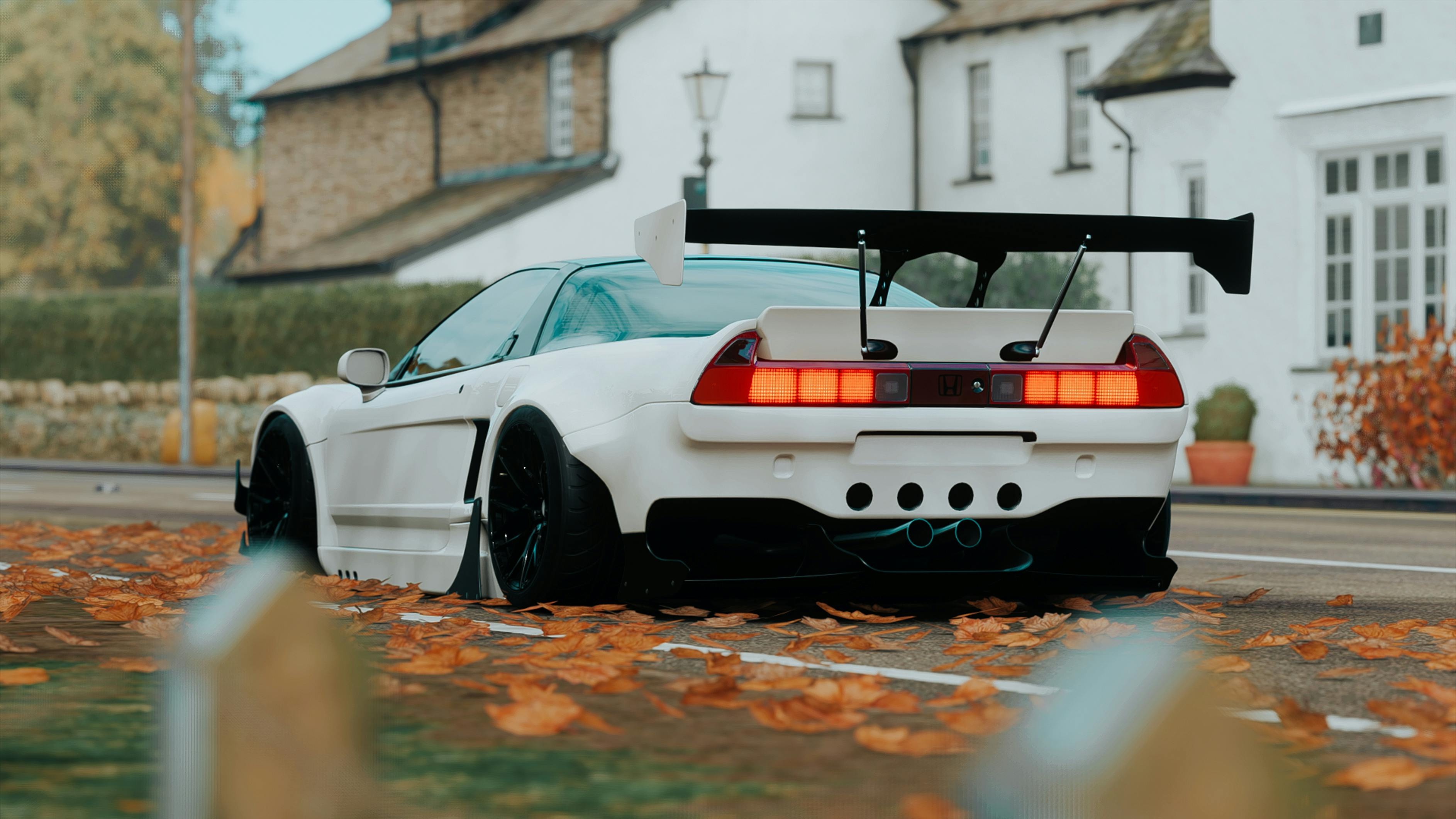 Senna's Choice
Honda NSX (NA1/NA2)
Developed with input from Formula 1 legend Ayrton Senna, the NSX proved Japan could build a mid-engine supercar to rival Ferrari — and make it daily-drivable. The all-aluminum body was a first for a production car. Honda's VTEC system delivers linear power all the way to the 8,000 RPM redline. The NSX doesn't need 500 horsepower to be fast — at 1,350 kg with perfect balance, it's about precision, not brute force. The Type-R version (lighter, track-focused) is one of the rarest JDM cars.
 Drift King
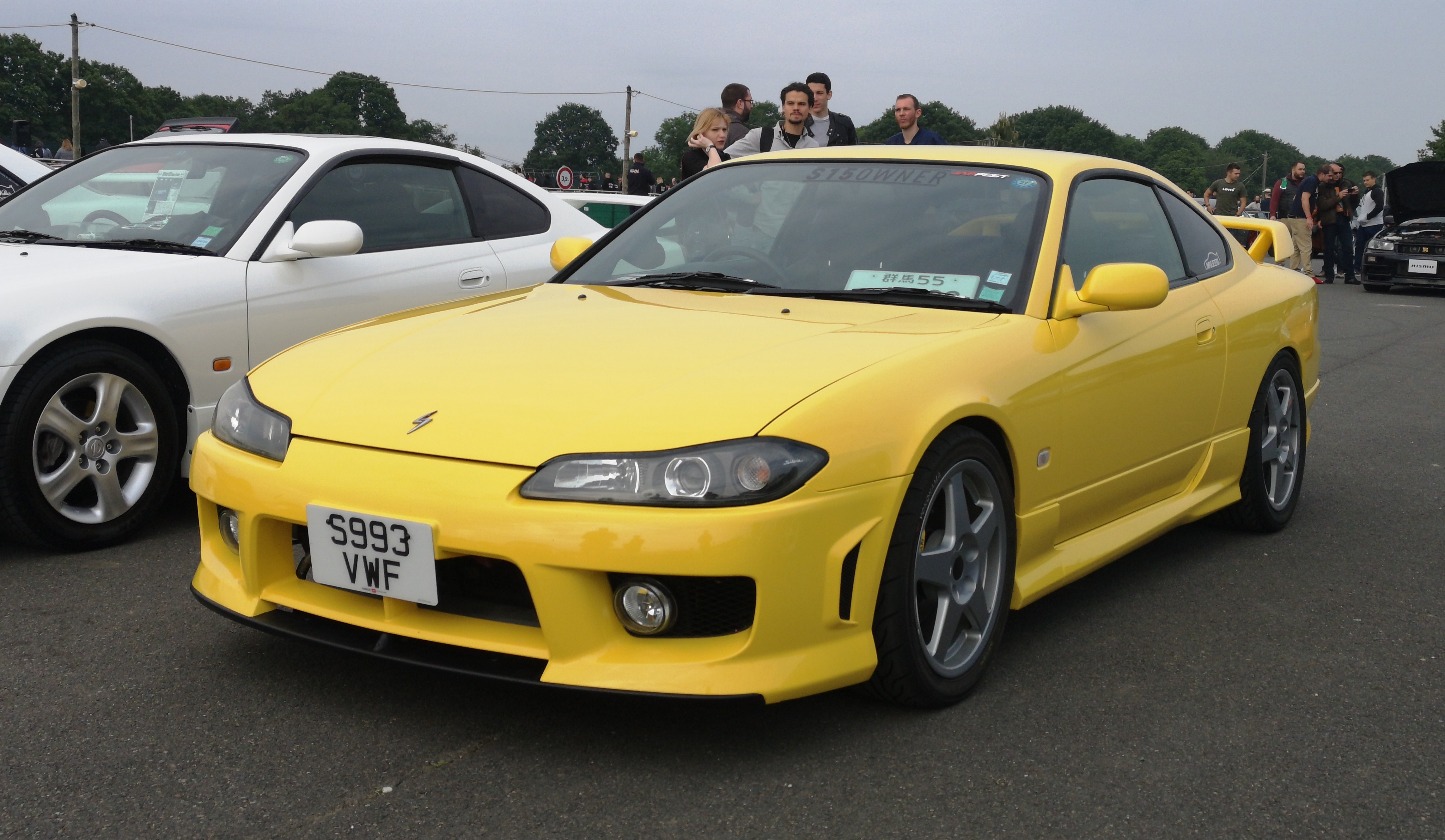
Nissan Silvia S15
The final Silvia is considered the best. Perfect 50/50 weight distribution, a responsive turbo engine, and rear-wheel drive make it the ultimate platform for drifting and spirited driving. Never sold in the US, the S15 is a true JDM exclusive. The SR20DET engine has massive aftermarket support and responds beautifully to modifications. Spec-R models came with a 6-speed manual, Helical LSD, and 250hp from the factory.
Other Notable JDM Sports Cars
Mitsubishi Lancer Evolution (I-IX)
Rally-bred AWD sedan. The 4G63 turbo engine and AYC system create a relentless all-weather weapon.
Subaru Impreza WRX STI (GC8/GDB)
Boxer-turbo AWD icon. Symmetrical AWD with driver-controlled center diff. Unmistakable flat-four rumble.
Honda S2000 (AP1/AP2)
9,000 RPM naturally aspirated roadster. The F20C engine holds the record for highest specific output of any NA engine.
Toyota MR2 (SW20)
Mid-engine, rear-drive sports car. Turbo models produce 245hp. Nicknamed 'the poor man's Ferrari' for its handling.
Honda Civic Type R (EK9)
The original hot hatch. B16B VTEC engine screams to 8,400 RPM. Lightweight and razor-sharp.
Mazda Eunos Cosmo
The world's only production triple-rotor car. 20B-REW engine produces 280hp of silky rotary power.
Ask About Sports Cars
We'll find the perfect vehicle for your needs and budget.
Vans & Utility Vehicles
Spacious, versatile, and built to haul.
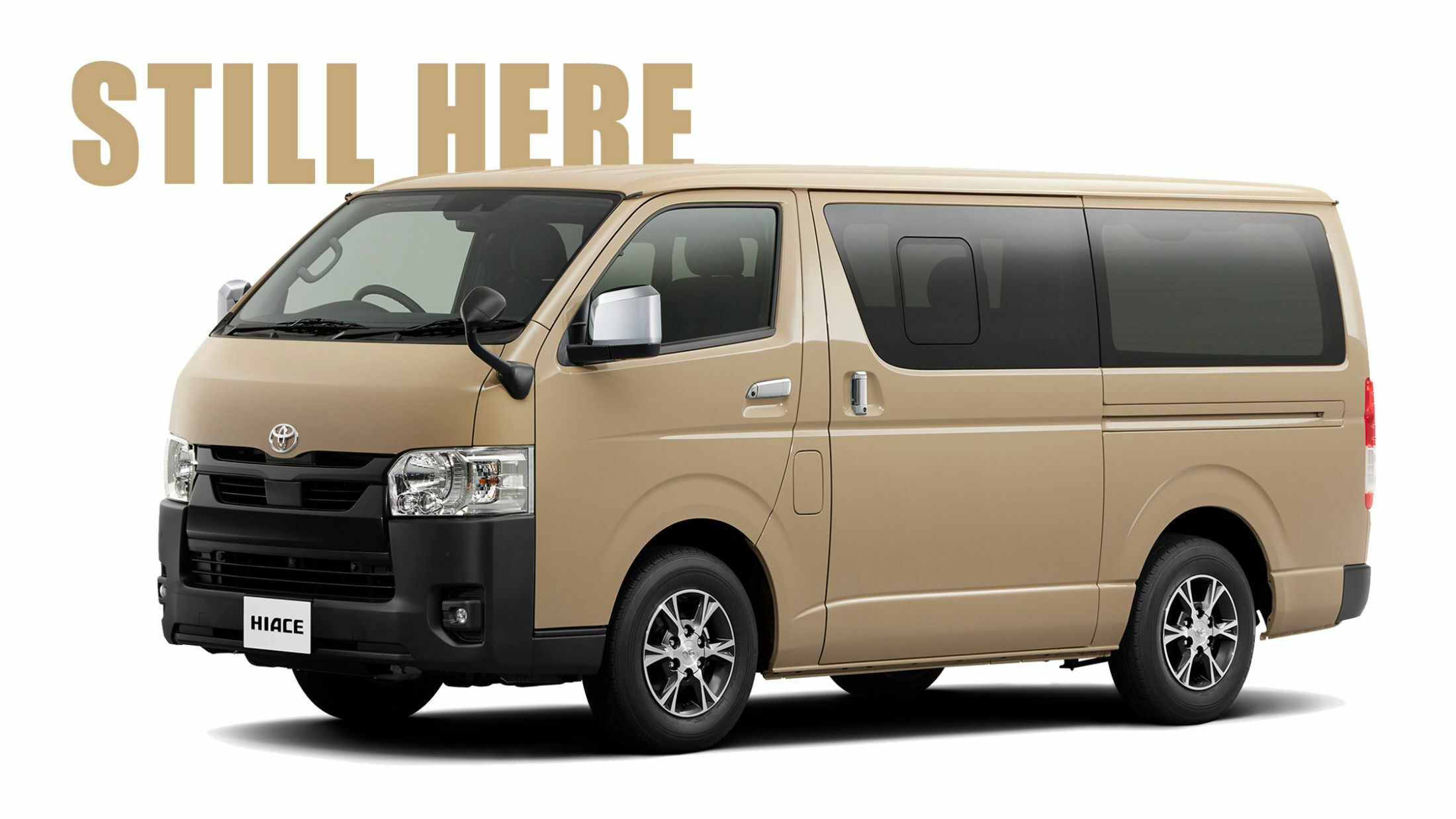
Japanese vans are in a league of their own. From the iconic Toyota HiAce — the world's best-selling van — to compact Kei vans like the Honda Vamos and Suzuki Every, Japan produces vans for every conceivable use. Commercial fleets, family transport, camper van conversions, mobile businesses — if you need interior space and reliability, a Japanese van delivers.
Kei vans deserve special attention. Models like the Suzuki Every Wagon, Honda Vamos, and Subaru Sambar Van offer surprising interior space in a package smaller than a Honda Fit. Turbocharged models with 4WD are perfect for island life — nimble in tight streets, capable on unpaved roads, and incredibly fuel-efficient. Many come with fold-flat seats, creating a large cargo area that rivals vehicles twice their size.
 World Standard
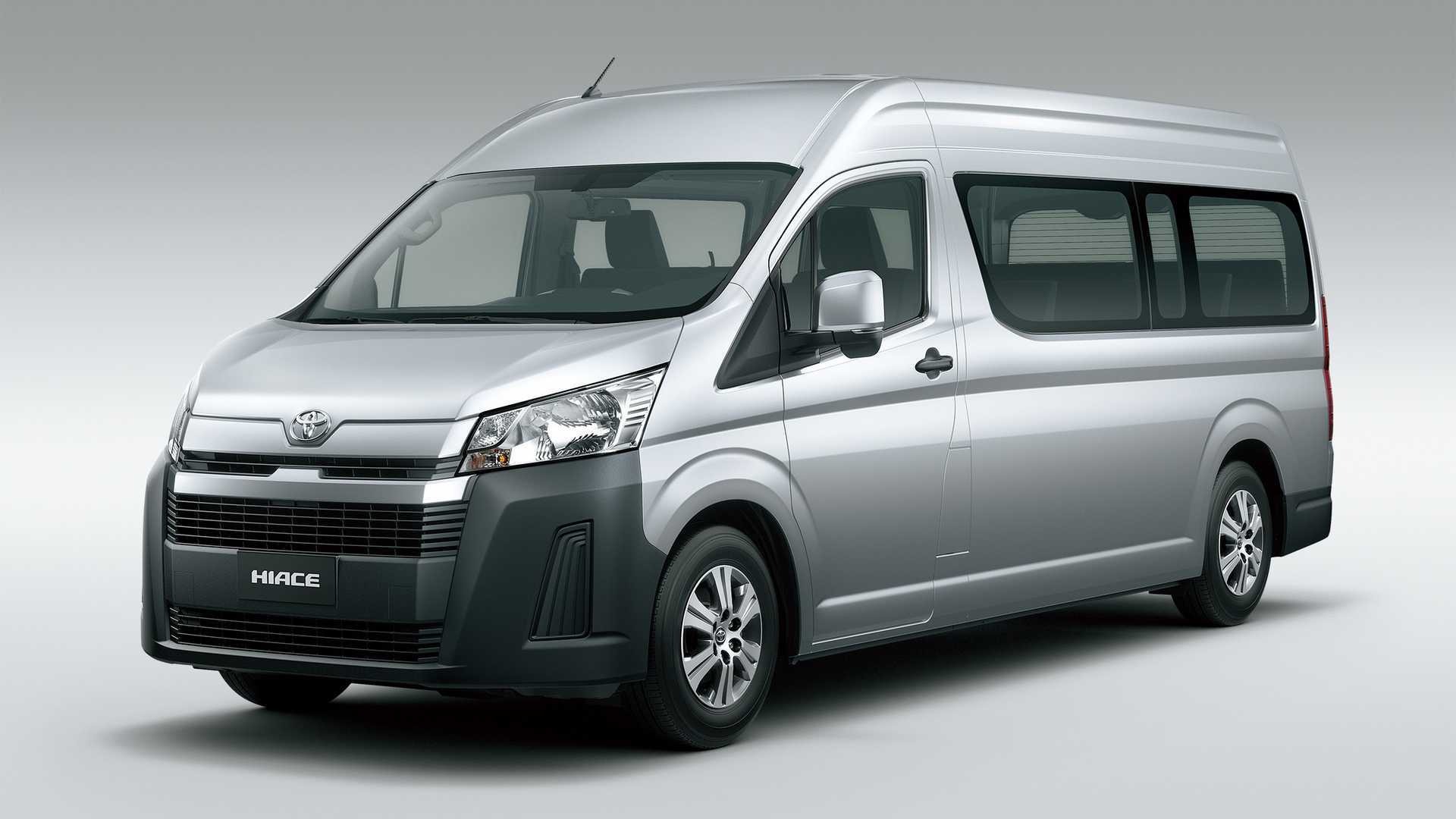
Toyota HiAce
The Toyota HiAce is the gold standard of commercial vans worldwide. Known for running 300,000+ km with minimal maintenance. JDM models came with diesel engines not available in the US — the 1KZ-TE and 2KD-FTV turbodiesels are famous for their economy and longevity. Super GL trim levels rival luxury vehicles in comfort. The 4WD models are exceptionally capable. Perfect for camper conversions, shuttle services, or any commercial application.
 Space Master
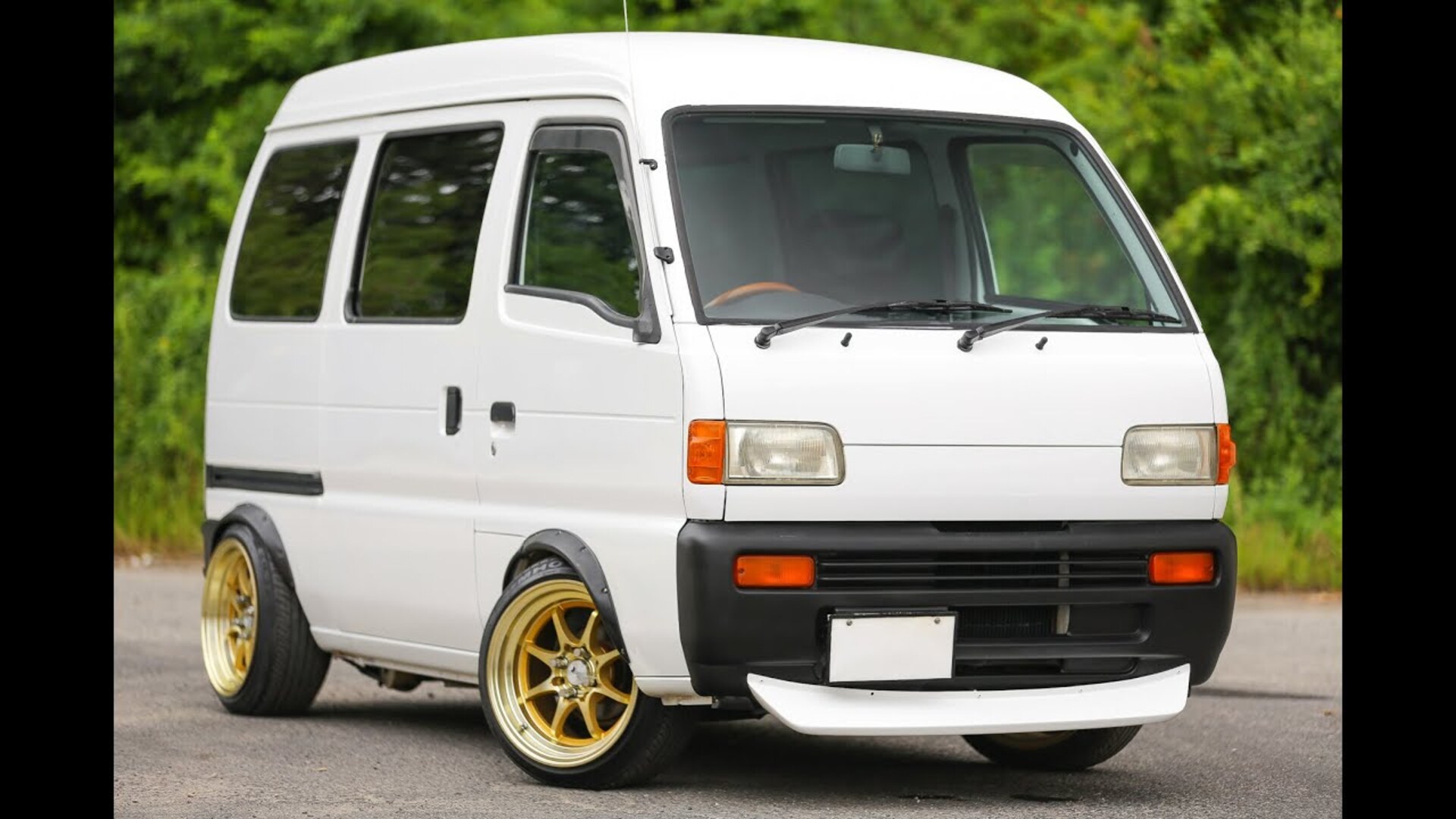
Suzuki Every Wagon
The Suzuki Every is Japan's favorite Kei van. The wagon version features a tall roof, comfortable seating for four, and a surprisingly spacious interior. Turbo models produce the full 64hp and feel peppy around town. Available with full-time 4WD. Popular configurations include the PZ Turbo (loaded with features) and the Join Turbo (commercial-grade). The Every is remarkably practical — fold the rear seats flat and you have a cargo area large enough for a small motorcycle.
Ask About Vans
We'll find the perfect vehicle for your needs and budget.
SUVs & Off-Road Vehicles
Built for adventure and engineered to last decades.
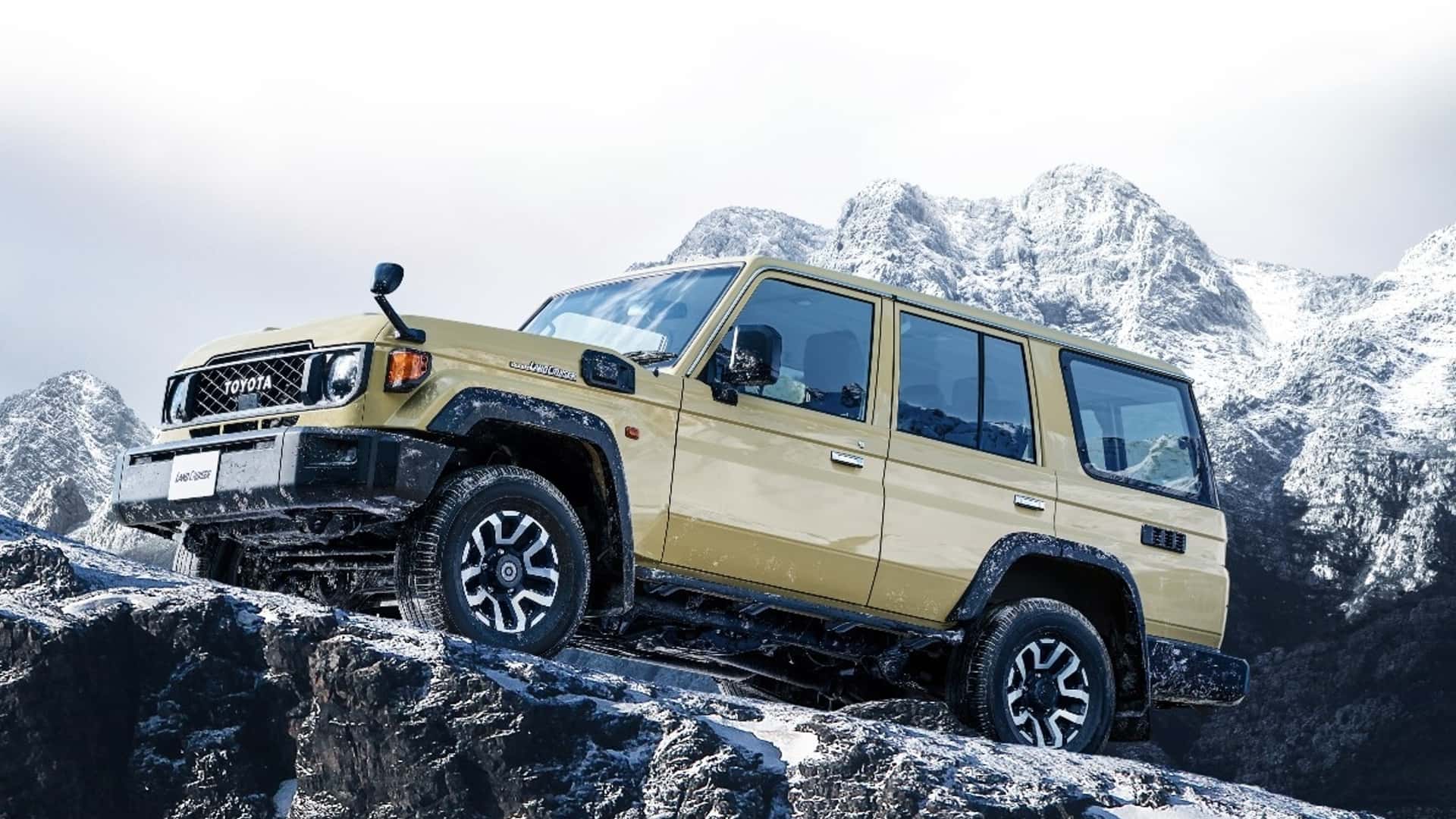
Japanese SUVs and off-roaders have earned a reputation for being virtually indestructible. The Toyota Land Cruiser is the vehicle of choice for aid organizations operating in the world's harshest environments. The Suzuki Jimny is beloved for its go-anywhere capability in a tiny package. The Mitsubishi Pajero dominated the Dakar Rally for years. These aren't just recreational vehicles — they're proven workhorses.
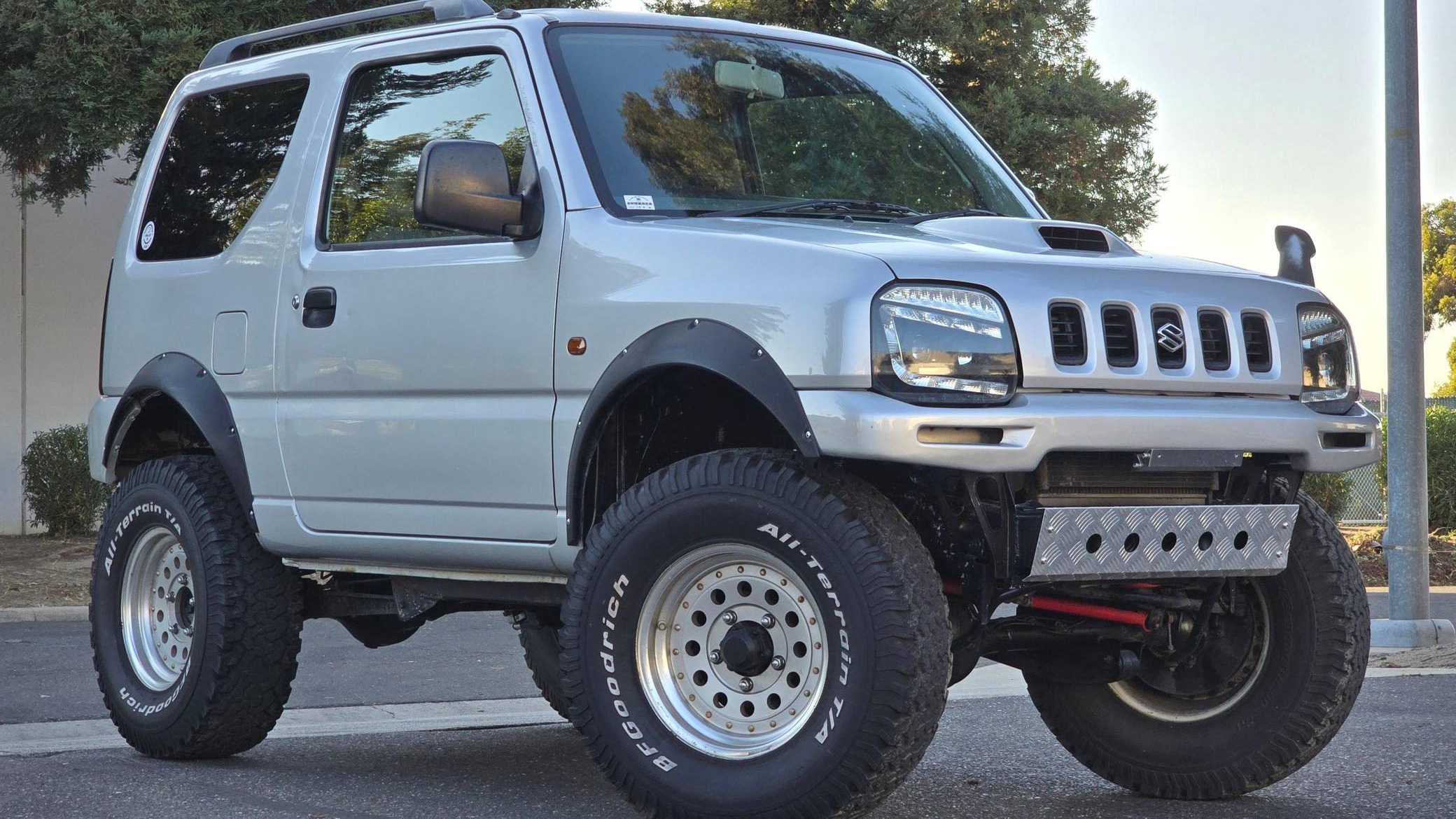 Cult Classic
Suzuki Jimny
The Suzuki Jimny is a cult phenomenon. This tiny 4x4 packs legitimate off-road hardware into a package smaller than a Mini Cooper — ladder frame, solid axles, low-range transfer case, and part-time 4WD. The Kei-class versions (660cc) are street-legal everywhere and incredibly cheap to run. The JB23/JB64 models are particularly popular for their modern amenities while retaining true off-road DNA. Perfect for Puerto Rico's terrain and tight streets.
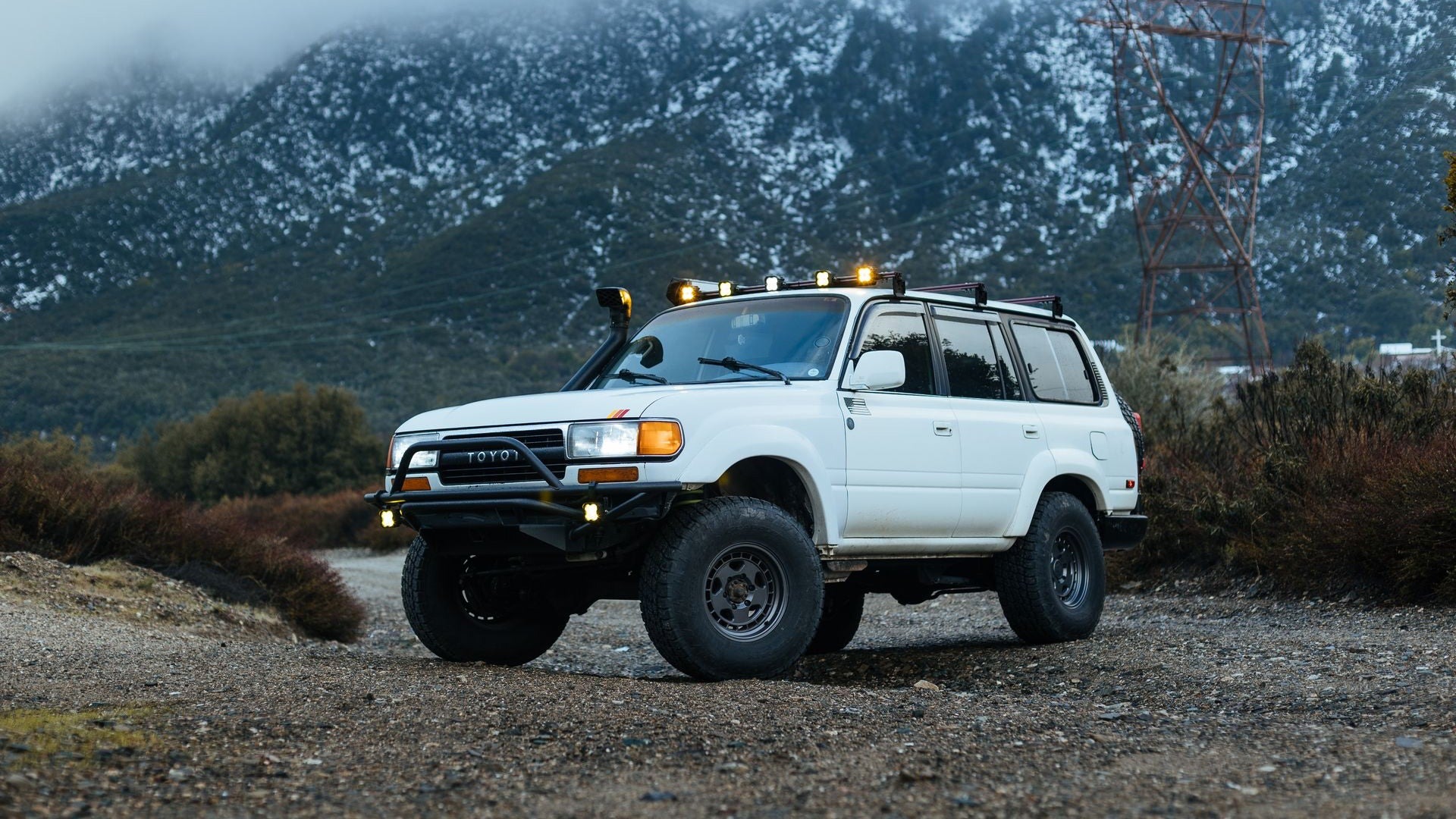 Indestructible
Toyota Land Cruiser
The Toyota Land Cruiser needs no introduction. JDM-spec models often came with diesel engines (1HD-FTE, 1HZ) that were never sold in the US — these turbodiesel powertrains are legendary for their 500,000+ km reliability. The 70-Series (still in production in Japan), 80-Series, and 100-Series are all coveted imports. Built to UN peacekeeping specifications, the Land Cruiser goes anywhere and lasts forever.
Ask About SUVs
We'll find the perfect vehicle for your needs and budget.
Sedans, Wagons & Coupes
Everyday cars with distinctly Japanese character.
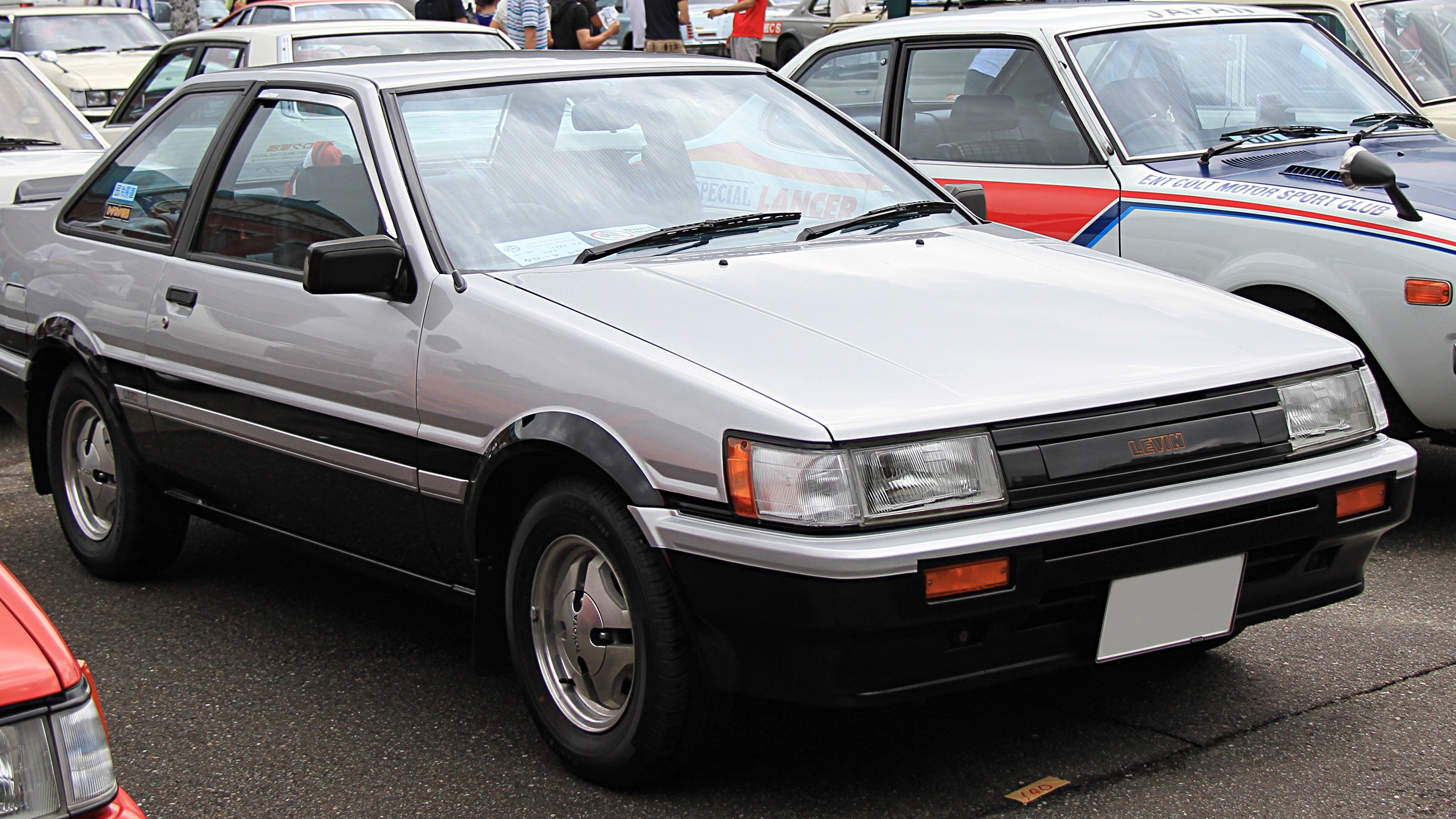
Not every JDM import needs to be a sports car or a work truck. Japan produced an incredible range of comfortable, practical, and often quirky everyday vehicles that simply weren't available elsewhere. The Toyota Aristo (Lexus GS in other markets) came with the legendary 2JZ engine. The Nissan Stagea wagon combined Skyline GT-R running gear with a family-friendly body. The Subaru Legacy Touring Wagon offered twin-turbo power with all-wheel drive — a sports car in a station wagon body.
JDM sedans and wagons often feature higher equipment levels than their export counterparts — Japanese buyers demanded features like heated seats, climate control, navigation, and advanced safety equipment as standard. Many JDM models also received performance variants (GT-R, Type-R, STI, RS) that were never exported.
Toyota Aristo (Lexus GS300)
2JZ-powered luxury sedan. Smooth, fast, and refined. The gentleman's JDM choice.
Nissan Stagea (260RS)
A Skyline GT-R wagon. RB26DETT engine, ATTESA AWD — all the GT-R tech in a practical body.
Subaru Legacy Touring Wagon
Twin-turbo boxer AWD wagon. GT-B and GT-VDC trims are JDM performance wagon royalty.
Toyota Mark II / Chaser / Cresta
1JZ-GTE turbo sedans. Rear-wheel drive, comfortable, and a drift scene favorite.
Ask About Sedans & Wagons
We'll find the perfect vehicle for your needs and budget.
The 25-Year Import Rule
The federal law that makes JDM imports legal.
Under US federal law (specifically the Imported Vehicle Safety Compliance Act and EPA regulations), any motor vehicle that is 25 years or older from its date of manufacture is exempt from DOT safety standards and EPA emissions requirements. This means a vehicle manufactured in January 2001 became legal to import in January 2026.
This is a federal rule that applies to all 50 states, Washington D.C., and US territories including Puerto Rico. Individual states may have additional registration or emissions requirements, but they cannot override the federal exemption. Puerto Rico is particularly friendly to JDM imports — right-hand drive vehicles are fully legal, and the registration process is straightforward.
What's Eligible in 2026?
Any vehicle manufactured in 2001 or earlier is now eligible for import. This unlocks incredible vehicles:
2001 & Earlier — Newly Eligible
Honda S2000 (AP1), Nissan Silvia S15 Spec-R, Subaru Impreza WRX STI (GDB), final-year Toyota MR-S, Daihatsu Hijet Jumbo Cab, Suzuki Every Wagon Turbo, and many more.
2000 & Earlier
Nissan Skyline R34 GT-R V-Spec (early models), Honda Integra Type R (DC2), Subaru Legacy B4 RSK Twin Turbo, Toyota Aristo V300 Twin Turbo.
1999 & Earlier
Nissan Skyline R34 GT-R (first year), Mazda RX-7 Spirit R, Mitsubishi Lancer Evo VI TME, all R33 Skyline models.
Classic Era (Pre-1995)
All R32 GT-Rs, Toyota Supra MK4, Mazda RX-7 FD, Honda NSX, AE86 Corolla, original Suzuki Cappuccino, Honda Beat — the golden era of JDM is fully open.
How Importing Works
A transparent, step-by-step breakdown of the entire process.
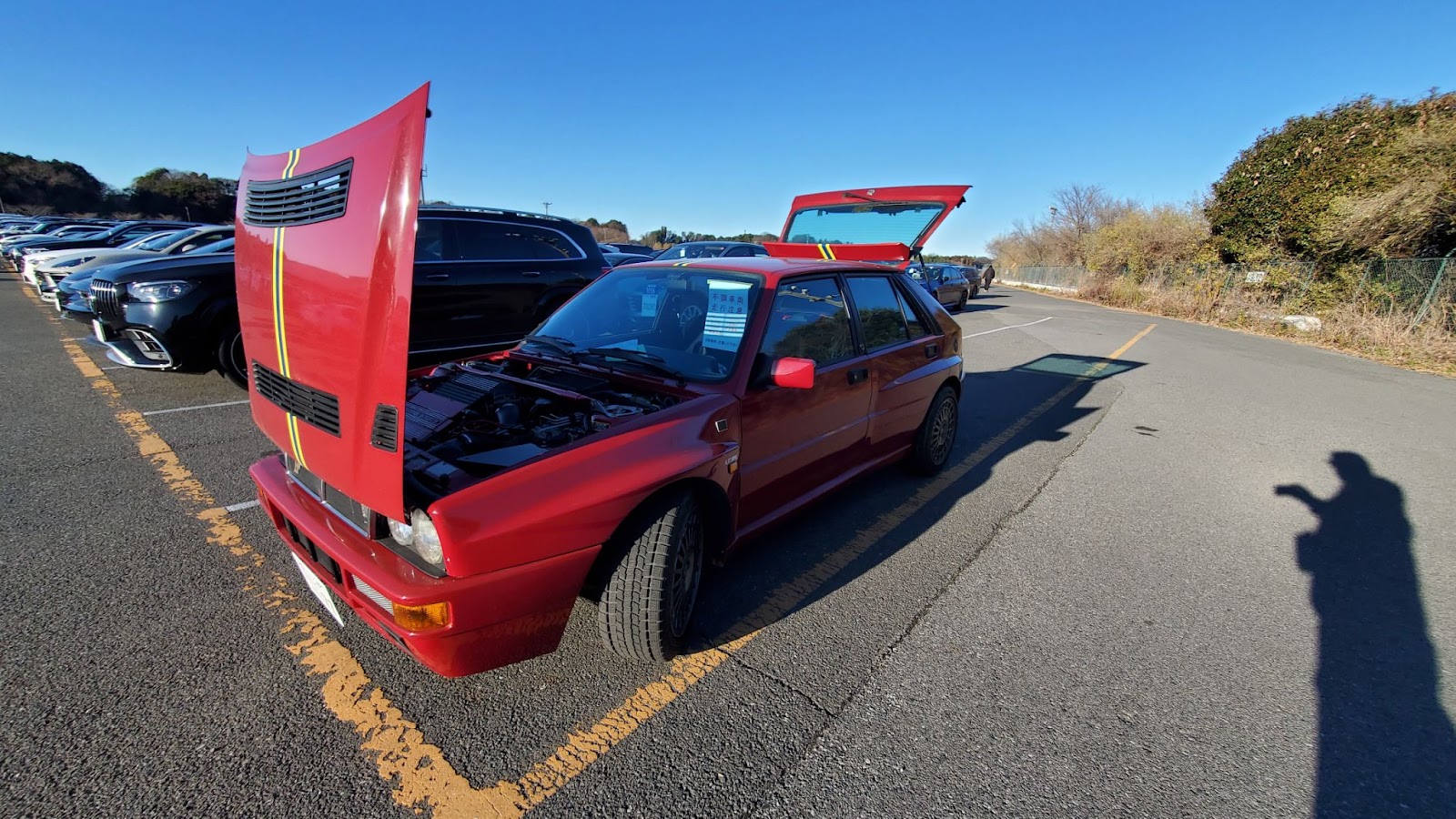
We source vehicles directly from Japanese auctions
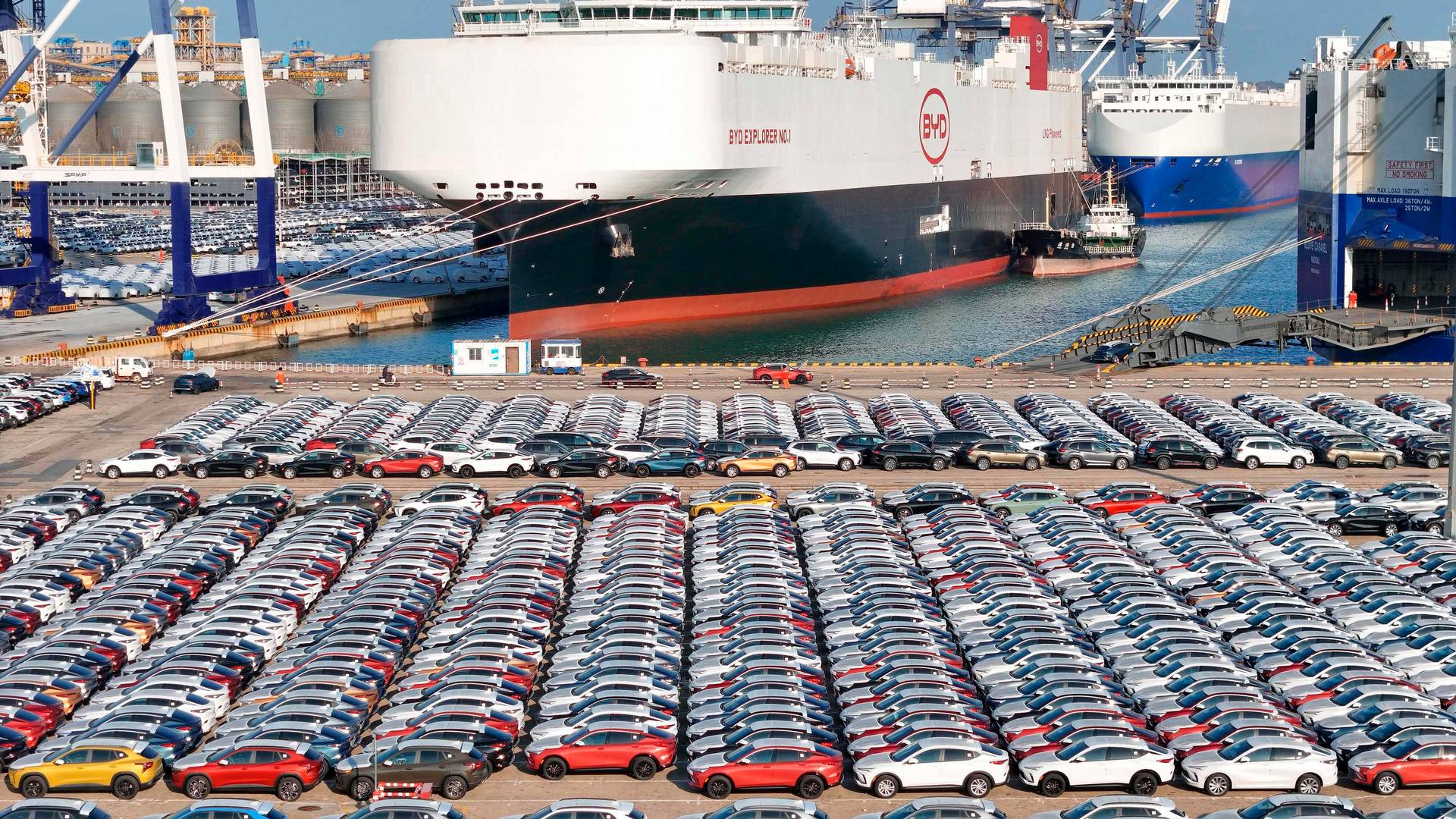
Vehicles are shipped via secure ocean freight to Puerto Rico
We Find Your Vehicle
Tell us what you want — or browse our existing inventory. We search Japanese auctions, dealers, and private sellers to find the best match for your budget and requirements. We send you photos, auction sheets, and condition reports.
Thorough Inspection
Every vehicle is inspected before purchase. We check mechanical condition, body integrity, accident history, rust, interior condition, and mileage accuracy. We provide honest assessments — if a vehicle doesn't meet our standards, we pass.
We Secure the Vehicle
Once you approve, we purchase the vehicle on your behalf. We handle all payment, ownership transfer, and Japanese deregistration paperwork.
Export Preparation
The vehicle is transported to a Japanese port, cleaned, and prepared for export. We obtain the Export Certificate (EAR) and arrange all customs documentation.
Ocean Shipping
The vehicle ships via container or RoRo (Roll-on/Roll-off) from Japan. We provide tracking information so you can follow your vehicle across the Pacific.
Customs & Delivery
We handle US Customs clearance, EPA/DOT paperwork (25-year exemption), and delivery to your door in Puerto Rico. We can also assist with CESCO registration.
Costs & Timeline
Full transparency on what to expect.
Cost Breakdown
| Cost Item | Typical Range |
|---|---|
| Vehicle Purchase Price | $3,000 – $150,000+ (depends on model) |
| Japan Auction/Broker Fee | $300 – $800 |
| Pre-Export Inspection | $100 – $300 |
| Japan Export & Documentation | $200 – $500 |
| Ocean Freight (Japan → PR) | $1,500 – $2,500 |
| US Customs Duty | 2.5% of vehicle value |
| PR Excise Tax (Arbitrios) | Varies by vehicle value |
| JDM Direct Service Fee | Included in quoted price |
Timeline
The full import process typically takes 6–10 weeks from purchase to delivery. Here's the breakdown:
Sourcing
1–2 weeks
Export Prep
1–2 weeks
Ocean Shipping
3–5 weeks
Customs & Delivery
3–5 days
Importing to Puerto Rico
What makes PR uniquely friendly for JDM imports.

Puerto Rico is one of the best places in the United States to own a JDM import. Right-hand drive vehicles are fully legal on all public roads. The island's compact size and moderate speed limits make RHD driving perfectly comfortable — most owners adjust within a day. Puerto Rico's mild climate means no salt corrosion, which is a major advantage for preserving imported vehicles.
The registration process through CESCO (Centro de Servicios al Conductor) is straightforward. You'll need the vehicle's export certificate, bill of lading, customs clearance documents, and a valid inspection (ITV). We handle all the paperwork and guide you through the CESCO process — or we can handle it entirely on your behalf.
Puerto Rico charges an excise tax (arbitrios) on imported vehicles based on their value. Kei trucks and older utility vehicles typically qualify for lower tax brackets. We provide accurate tax estimates upfront so there are no surprises.
JDM Vehicle Comparison Chart
Side-by-side comparison to help you choose the right vehicle.
| Feature | Kei Trucks | Sports Cars | Vans | SUVs | Sedans / Wagons |
|---|---|---|---|---|---|
| Price Range | $3K–$10K | $15K–$200K+ | $5K–$25K | $8K–$40K | $5K–$30K |
| Engine Size | 660cc | 1.3L–3.0L | 0.66–3.0L | 0.66–4.5L | 1.5–3.0L |
| Fuel Economy | ★★★★★ | ★★☆☆☆ | ★★★★☆ | ★★★☆☆ | ★★★★☆ |
| Power | 45–64 hp | 200–320 hp | 64–180 hp | 64–235 hp | 140–300 hp |
| Cargo / Payload | 350 kg bed | Minimal trunk | Large cargo area | Moderate + tow | Trunk + fold seats |
| Passengers | 2 | 2–4 | 2–10 | 4–8 | 4–5 |
| Off-Road Ability | ★★★☆☆ | ★☆☆☆☆ | ★★☆☆☆ | ★★★★★ | ★★☆☆☆ |
| Daily Drivability | ★★★★☆ | ★★★☆☆ | ★★★★★ | ★★★★☆ | ★★★★★ |
| Parts Availability | ★★★★☆ | ★★★★★ | ★★★★☆ | ★★★★☆ | ★★★★☆ |
| Maintenance Cost | Very Low | Medium–High | Very Low | Low–Medium | Low–Medium |
| Insurance Cost | Very Low | Higher | Very Low | Moderate | Moderate |
| Best For | Work, farms, property | Enthusiasts, collectors | Business, campers | Off-road, adventure | Comfort, family |
Values are approximate ranges. Actual specs vary by model, year, and condition. Contact us for details on specific vehicles.
First-Time Buyer Tips
New to JDM imports? Here's what we wish every buyer knew before starting.
Start with Your Actual Needs
Don't just buy what looks cool on Instagram. Think about what you'll actually use it for — daily driving, farm work, weekend fun? A $4,000 Kei truck might change your life more than a $40,000 sports car. Be honest about your budget, parking situation, and how you'll use it every day.
Budget 20% Above the Vehicle Price
The sticker price is just the beginning. Shipping, customs duty, PR excise tax, registration, and insurance add up. A $5,000 Kei truck might cost $8,000–$9,000 all-in. A $30,000 sports car could be $38,000+ landed. We give you a full cost breakdown upfront — no surprises.
Check the Auction Sheet — Every Time
Japanese auction sheets are incredibly detailed — they grade the vehicle's condition, note every scratch, and record maintenance history. Learn to read these or have us translate them for you. A vehicle graded 4 or higher is generally excellent. Below 3.5, proceed with caution unless you're comfortable with projects.
Verify the 25-Year Eligibility
The vehicle must be 25 years from the DATE OF MANUFACTURE, not the model year. A March 2001 vehicle becomes eligible in March 2026. We verify this for every vehicle we import — but if you're buying privately, double-check the manufacture date on the export certificate.
Find a Mechanic BEFORE You Buy
Not every mechanic in Puerto Rico is familiar with Kei truck engines or JDM-specific parts. Find a trusted shop that's comfortable with Japanese vehicles before your car arrives. We can recommend mechanics in your area who specialize in JDM vehicles.
Get Insurance Sorted Early
Some insurance companies in PR are unfamiliar with JDM vehicles and may quote high or refuse coverage. Start the insurance conversation early. We can point you to insurers who regularly cover imported JDM vehicles at fair rates.
Use an Established Importer
Importing solo can save money but introduces significant risk — bad auction buys, customs complications, missing paperwork. Working with an established importer like JDM Direct means we coordinate the process and provide a written estimate so you know what to expect.
Be Patient — Good Deals Come to Those Who Wait
Japanese auctions run daily with thousands of vehicles. If the perfect one doesn't appear this week, it will next week. Rushing leads to overpaying or settling for a worse condition vehicle. We monitor auctions continuously and alert you when the right match appears.
Get First-Time Buyer Help
We'll find the perfect vehicle for your needs and budget.
Frequently Asked Questions
Quick answers to common questions.
Ready to Find Your Perfect JDM Vehicle?
Our team is here to help you navigate every option. Contact us for a free, no-obligation quote.