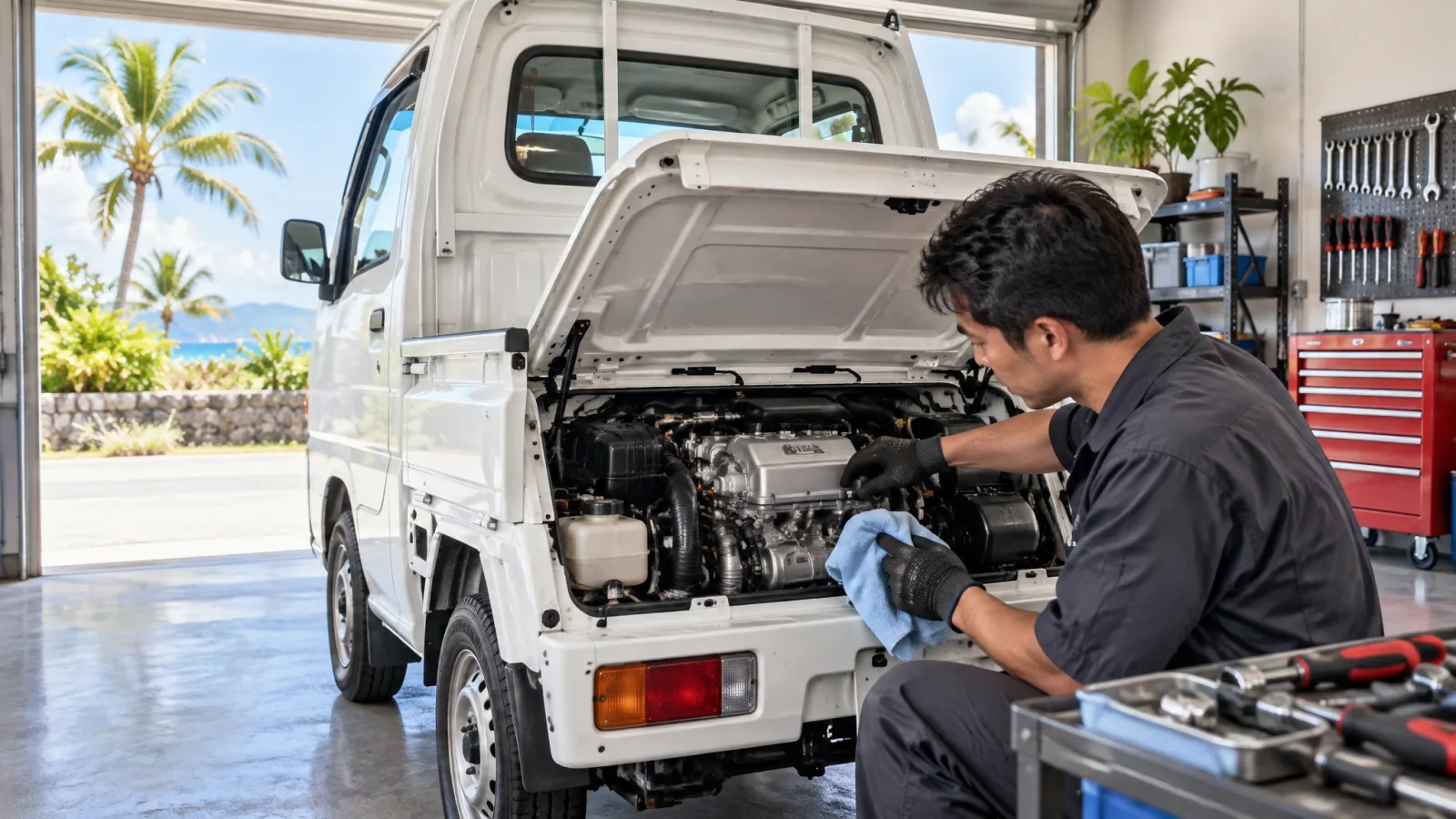
Importing a JDM vehicle to Puerto Rico is exciting — but keeping it in top condition in a tropical environment requires knowledge most mainland guides don't cover. Salt air, high humidity, intense UV rays, and sudden downpours create challenges that can accelerate wear on any vehicle, especially one that's 25+ years old.
At JDM Direct, we've seen firsthand what works and what doesn't when it comes to maintaining Japanese imports on the island. This guide covers everything you need to know to keep your JDM vehicle running strong in Puerto Rico's unique climate.
Rust Prevention: Your Number One Priority
Rust is the silent killer of JDM vehicles in tropical environments. Japan's Shaken inspections keep vehicles well-maintained, but once they arrive in Puerto Rico's salt-laden coastal air, corrosion can accelerate rapidly.
Undercoating is essential. Before putting your JDM vehicle into regular service, invest in a professional rust-proofing undercoat. Products like Fluid Film, POR-15, or rubberized undercoating create a barrier between bare metal and moisture.
Regular underbody washing is critical if you drive near the coast. Salt spray accumulates underneath and in wheel wells. A monthly rinse with fresh water — paying special attention to frame rails, suspension components, and the bed (on kei trucks) — goes a long way.
Check drain holes. Japanese vehicles have drain holes in doors, rocker panels, and tailgates. In tropical humidity, these can clog with debris, trapping water inside panels. Clear them regularly with a thin wire or compressed air.
Wax religiously. A quality carnauba or ceramic wax every 3 months protects paint from UV damage and salt. Pay extra attention to chrome trim and exposed metal.
Cooling System Maintenance in Tropical Heat
Japanese vehicles were designed for Japan's temperate climate, where summers are hot but not year-round. In Puerto Rico, your cooling system works overtime every single day.
Flush coolant annually. Tropical heat degrades coolant faster than in temperate climates. Use a 50/50 mix of distilled water and quality antifreeze/coolant — yes, even in the tropics. Antifreeze isn't just for cold weather; it raises the boiling point and contains corrosion inhibitors.
Inspect hoses and clamps. Rubber deteriorates faster in constant heat. Check radiator hoses, heater hoses, and clamps every 6 months. A burst hose in San Juan traffic is no fun.
Consider a radiator upgrade. For kei trucks doing heavy work in the mountains, an aftermarket aluminum radiator or an auxiliary fan can prevent overheating during slow climbs in 90°F+ weather.
Thermostat check. A sticking thermostat is a common failure point on older Japanese engines. If your temperature gauge creeps higher than normal, replace the thermostat — it's a cheap fix that prevents expensive problems.
Battery and Electrical System Care
Tropical heat is actually harder on batteries than cold weather. High temperatures accelerate the chemical reactions inside a battery, shortening its lifespan significantly.
Expect shorter battery life. In Puerto Rico, a battery that might last 5 years in a temperate climate may only last 2-3 years. Check battery health at every oil change.
Clean terminals regularly. Humidity promotes corrosion on battery terminals. Clean them with a baking soda solution and apply dielectric grease to prevent buildup.
Check ground connections. Older JDM vehicles can develop ground strap corrosion in humid environments, causing intermittent electrical gremlins. Clean and tighten all ground points annually.
Protect wiring. Rodents love chewing wires in tropical environments. If you park outdoors or near vegetation, consider rodent-repellent tape on vulnerable wiring harnesses.
Interior Protection from UV and Humidity
Puerto Rico's intense sun and humidity can destroy interiors if you're not proactive.
Window tinting is a must. Quality ceramic tint blocks UV rays that fade dashboards, crack vinyl, and deteriorate fabric. It also keeps the cabin cooler, reducing AC load. Puerto Rico law allows reasonable tint levels — consult local regulations.
Use a windshield sunshade. It sounds basic, but a reflective sunshade can reduce dashboard surface temperatures by 40-50°F. This prevents cracking on the already-aged dashboards common in 25+ year old JDM vehicles.
Fight mold and mildew. Humidity breeds mold in carpet, under seats, and in ventilation systems. Run the AC on recirculate for a few minutes before switching to fresh air — this helps dry the evaporator. Use moisture-absorbing products like DampRid in vehicles that sit for extended periods.
Condition leather and vinyl. UV and humidity dry out and crack leather. Apply a quality leather conditioner every 2-3 months. For vinyl surfaces, use a UV-protectant like 303 Aerospace.
Tire and Brake Considerations
Tropical conditions affect tires and brakes in ways many owners overlook.
Check tire pressure more frequently. Heat increases tire pressure. In Puerto Rico's climate, tires can gain 3-5 PSI over the recommended pressure during hot days. Overinflated tires wear unevenly and reduce grip.
Watch for dry rot. Even tires with plenty of tread can develop sidewall cracking (dry rot) from UV exposure. If your JDM vehicle came with its Japanese tires still on, replace them — they've been UV-exposed for 25+ years.
Brake fluid flush. Brake fluid is hygroscopic (absorbs moisture from air). In high humidity, it degrades faster. Flush brake fluid every 18-24 months to maintain safe braking performance.
Drum brake attention. Many kei trucks use rear drum brakes. In humid environments, drums can develop surface rust overnight. This is normal — a few stops in the morning clears it — but inspect drum brakes annually for proper adjustment and spring condition.
Creating a Maintenance Schedule for Island Life
Here's a simplified tropical maintenance schedule for JDM vehicles:
Monthly: - Check tire pressure and condition - Inspect for new rust spots - Clean battery terminals - Wash underbody if driving near coast
Every 3 months: - Oil change (use quality conventional or synthetic) - Wax exterior - Condition interior leather/vinyl - Check all fluid levels
Every 6 months: - Inspect belts and hoses - Check brake pads/shoes - Lubricate door hinges and latches - Inspect suspension components
Annually: - Coolant flush - Brake fluid flush - Inspect exhaust system for corrosion - Professional rust inspection - Air filter replacement
Following this schedule will keep your JDM vehicle in excellent condition for years of reliable Puerto Rico service.
Maintaining a JDM vehicle in Puerto Rico's tropical climate isn't complicated — it just requires awareness of the specific challenges our environment presents. Rust prevention, cooling system care, and UV protection are the three pillars of tropical JDM maintenance.
At JDM Direct, we don't just sell vehicles — we help our customers enjoy them for years to come. Every vehicle we deliver comes with maintenance guidance specific to Puerto Rico's conditions, and our team is always available to answer questions about keeping your import in peak condition.
Have a maintenance question about your JDM vehicle? Reach out via WhatsApp at (787) 237-7924 — we're happy to help.
📚 Related Resources
Stay Updated
Get the latest JDM insights, new arrivals, and exclusive content delivered to your inbox.
Stay Updated on New Arrivals
Get notified when fresh JDM legends arrive in our inventory
We respect your privacy. Unsubscribe anytime.