Ask any mechanic in the world which engines last the longest, and Japanese makes dominate the conversation. There's a reason Toyota, Honda, Nissan, and Mitsubishi engines are found in everything from passenger cars to industrial equipment — they're engineered to a standard of reliability that few manufacturers can match.
But not all JDM engines are created equal. Understanding which engines power which vehicles — and their specific strengths and weaknesses — helps you make a smarter purchase when shopping for a JDM import.
Kei Vehicle Engines: Small But Mighty
Kei vehicles are limited to 660cc displacement, which might seem tiny. But Japanese engineers have extracted remarkable performance and longevity from these mini powerplants.
Honda E07A/E07Z (Acty, Vamos): A 3-cylinder, 12-valve engine that's quintessentially Honda. Known for smooth operation, linear power delivery, and excellent fuel economy. The E07Z variant adds a slight power bump. These engines routinely exceed 200,000 km with basic maintenance.
Suzuki F6A/K6A (Carry, Every, Jimny): The F6A is a 3-cylinder SOHC unit found in earlier Carrys and Jimnys. The K6A successor added DOHC and more power. Both are exceptionally reliable, though the F6A can develop head gasket issues if overheated. The turbocharged variants add about 20 HP for spirited driving.
Daihatsu EF-series (Hijet, Move): Daihatsu's 3-cylinder kei engines are robust and simple. The EF-VE with variable valve timing is particularly smooth. Timing chain (not belt) on many models means one less maintenance item.
Bottom line: All three manufacturers produce excellent kei engines. Regular oil changes (every 3,000-4,000 km with a small sump) are the single most important maintenance item.
Toyota Legends: Why They Run Forever
Toyota's reputation for reliability is built on specific engine families that have proven themselves over millions of units.
1JZ-GTE/2JZ-GTE (Supra, Soarer, Chaser): The twin-turbo inline-6 engines that became legends. The 2JZ in particular is capable of handling enormous power with stock internals. Its iron block, forged crankshaft, and over-engineered bottom end are the reason tuned 2JZs make 1,000+ HP.
1HZ (Land Cruiser 70/80): A naturally aspirated inline-6 diesel that's possibly the most reliable engine ever mass-produced. These engines regularly exceed 500,000 km with basic maintenance. The 1HZ powers Land Cruisers in the most demanding conditions on earth — African safari operations, Australian outback, Middle Eastern deserts.
1NZ-FE (Vitz/Yaris, bB, ist): A modern 1.5L 4-cylinder with timing chain and variable valve timing. Simple, efficient, and nearly bulletproof for daily driver duty.
4A-GE (AE86, Sprinter): Honda's twin-cam approach applied to a Toyota engine. The 20-valve variant is a gem — revvy, reliable, and beloved by enthusiasts. It's why the AE86 commands premium prices today.
Honda Engineering: The Art of High-RPM Reliability
Honda's philosophy of engineering engines to rev high while remaining reliable sets them apart.
B16A/B18C (Civic Type R, Integra Type R): VTEC-equipped 4-cylinders that deliver sports car performance from a compact package. The B18C in the Integra Type R produces 200 HP from 1.8L naturally aspirated — extraordinary for its era. These engines thrive at high RPM and are remarkably durable when maintained.
F20C (S2000): Possibly the greatest naturally aspirated 4-cylinder engine ever produced. It revs to 9,000 RPM, produces 250 HP from 2.0L, and does so reliably for hundreds of thousands of miles. The engineering tolerances in the F20C are race-engine precise.
K20A (Civic Type R, Integra DC5): Honda's second-generation VTEC flagship. Produces 220 HP from 2.0L with i-VTEC variable valve timing and lift. Known for excellent reliability combined with motorsport-level performance.
D-series (Civic): The workhorse of Honda's lineup. D15 and D16 engines are simple, efficient, and extremely cheap to maintain. Found in millions of Civics worldwide, they're proof that Honda engineering applies to economy cars too.
Nissan and Mitsubishi: Power and Performance
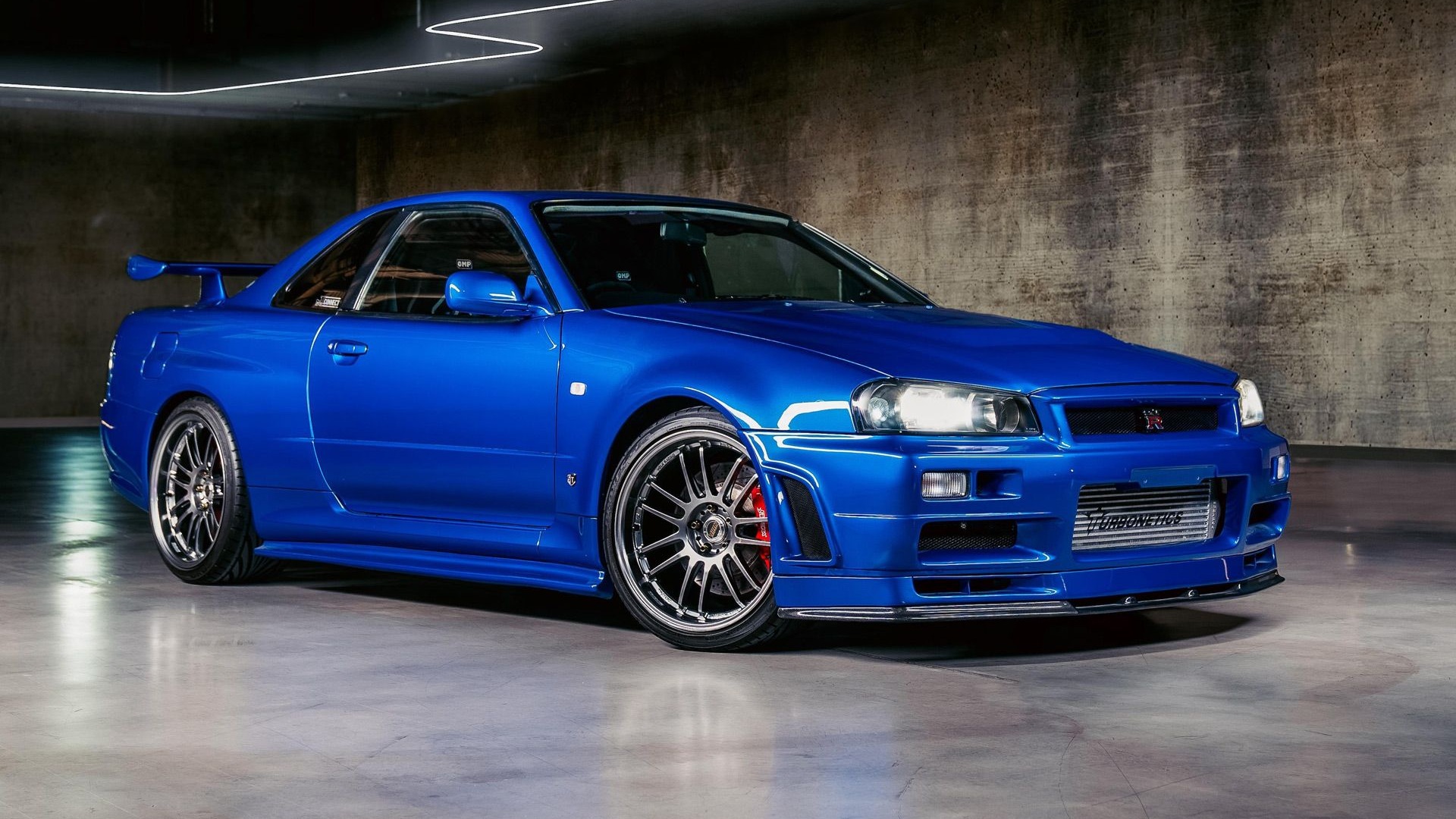
Nissan RB26DETT (Skyline GT-R): The legendary twin-turbo inline-6 that powered the R32, R33, and R34 GT-Rs to racing dominance. Iron block, forged internals, and individual throttle bodies make this a tuner's dream. Stock output was 280 HP (officially), but tuned examples commonly exceed 600 HP on stock internals.
Nissan SR20DET (Silvia, 180SX): The 2.0L turbo 4-cylinder that became the backbone of Japanese drifting culture. Available in both redtop and blacktop variants, with the blacktop being the more desirable version. Reliable, tuneable, and well-supported.
Nissan TD27/QD32 (Patrol, Terrano): Diesel engines built for endurance. The TD27 turbo is found in Patrols and commercial vehicles worldwide, known for extreme durability in harsh conditions.
Mitsubishi 4G63 (Evo, Eclipse): The 2.0L turbo 4-cylinder that powered the Lancer Evolution series. With proper supporting modifications, the 4G63 handles 600+ HP. Even stock, it's a remarkable engine with excellent power delivery through its turbocharger.
What Makes Japanese Engines Last So Long?
It's not magic — it's engineering philosophy.
Over-engineering as standard: Japanese manufacturers build engines with safety margins that exceed expected use. Where a specification calls for a component to handle 100 units of stress, Japanese engineers often design for 150-200 units.
Tight manufacturing tolerances: Japanese factory tolerances are among the tightest in the world. Consistent machining means consistent performance and longevity.
Simple design philosophy: Many of the most reliable JDM engines avoid complexity. The 1HZ diesel, for example, has no turbo, no intercooler, no variable valve timing — just a meticulously engineered naturally aspirated diesel that runs forever.
Quality materials: Japanese steel, aluminum alloys, and bearing materials are sourced and tested to exacting standards.
Shaken inspection system: Japan's biennial vehicle inspection means engines receive regular professional attention throughout their Japanese life. Vehicles that arrive in the US have typically been maintained to a standard far exceeding what's common domestically.
Understanding JDM engines helps you appreciate why Japanese vehicles command their reputation — and helps you make smarter purchase decisions. Whether you're looking at a kei truck with a 660cc triple or a Skyline GT-R with the legendary RB26, Japanese engineering delivers reliability that's difficult to match.
At JDM Direct, we evaluate engine condition as part of our inspection process for every vehicle. We can walk you through what engine powers your prospective purchase and what to expect from it long-term.
Questions about a specific JDM engine? Contact us on WhatsApp at (787) 237-7924 — we love talking motors.
📚 Related Resources
Stay Updated
Get the latest JDM insights, new arrivals, and exclusive content delivered to your inbox.
Stay Updated on New Arrivals
Get notified when fresh JDM legends arrive in our inventory
We respect your privacy. Unsubscribe anytime.
Related Posts
7 Costly Mistakes First-Time JDM Importers Make (and How to Avoid Them)
Importing your first car from Japan should be exciting — not expensive in all the wrong ways. These are the seven mistakes we see first-time buyers make most often, and exactly how to sidestep each one so your dream JDM car arrives in Puerto Rico without nasty surprises.
Yen vs. Dollar: Why the Exchange Rate Quietly Decides What Your JDM Import Costs
The yen just strengthened from about ¥160 to ¥153 per dollar in a matter of days — and that alone can add hundreds to the price of a car in Japan, even when the seller never raised it. Here's exactly how the exchange rate works, in plain English, and how to use it to your advantage.

Kei Trucks: The Ultimate Guide to Japan's Mini Workhorses for Puerto Rico
Discover why Japanese Kei trucks are becoming the go-to choice for farmers, landscapers, and small business owners in Puerto Rico. Compact, efficient, and surprisingly capable.